Hubbub has gone into hibernation.

Week 216

Last week was busy again with us plan­ning the last quar­ter of the year. 2013 will be over before we know it and we’re going to make the best of it.

The Cup­pings cof­fee tast­ing games is pro­ceed­ing excel­lent­ly. The game has received an updat­ed lay­out and is being pushed out to be test­ed at select cof­fee stores right now. All tests (me, Kars) that we per­formed in Utrecht and Berlin show us that the game is inter­est­ing to play and hits its goal of get­ting you to think more deeply about the taste of cof­fee.

Cuppings game is nearly ready for public consumption

We did some explorato­ry think­ing for and talk­ing with prospec­tive clients. It’s nice to be able to cre­ate a bunch of stuff that used to be sci­ence-fic­tion a cou­ple of years ago but that sounds total­ly accept­able right now.

We also pre­pared our ideas for a games based brief next week at the RCA in Lon­don.

AJI is near­ing a release right now where the game should be ful­ly styled and playable. Look for that prob­a­bly not this week but some­where in Octo­ber.

We are prepar­ing the next sprint for Beesten­bende and work on ASARI is near­ing its con­clu­sion and hav­ing seen the results I can’t wait to share that with you.

Kars also made a ver­sion of the Rip­ple Effect video where he nar­rates the game and its main fea­tures. If you had­n’t seen it yet, we would sug­gest to take a look at it now.

On Fri­day I attend­ed the games.net break­fast here in Berlin which could have been more inter­est­ing if it did­n’t focus sole­ly on the inter­ests of the large casu­al games mak­ers here. Still, it’s immense­ly valu­able that the city is rec­og­niz­ing games mak­ers and hold­ing these kind of events for us.

Games.net sit down network breakfast

We end­ed the week with a games night at the Utrecht stu­dio where Kars host­ed a ses­sion of Fias­co and I went off into the Bran­den­burg coun­try side to play with some actu­al pigs.

Piglets

Posted in Weeknotes | Tagged , , , , , , , , , , , , , | Comments closed

Week 215

Last week was pret­ty busy.

The first few days were tak­en up by our first inter­mit­tent deliv­ery for SANMA. I put togeth­er our ideas in a slide deck main­ly made up of scans of sketch­es and pho­tos of white­boards. A lot of this was aimed to pro­voke more than to solve. We went through the deck with the client in a Skype con­fer­ence. Some parts we’d come up with were pret­ty much spot on and ready for elab­o­ra­tion. Oth­er parts were way off mark, but that’s OK: by being unam­bigu­ous­ly so, we had some real­ly use­ful dis­cus­sion about an alter­na­tive direc­tion. Provo­ca­tion lead­ing to clar­i­ty. Good. We wrote the main points from the call up in a debrief, shared that with the client and are now ready to start the sec­ond pass.

We also iter­at­ed once more on Beesten­bende. These are some final adjust­ments to the cur­rent ver­sion, which runs on iPods/iPhones. After deliv­er­ing this, we’re going to switch to a big over­haul tar­get­ing the iPad Mini. We feel this device hits the sweet spot in terms of porta­bil­i­ty and share­abil­i­ty. Beesten­bende is played by fam­i­lies using one device. The iPad are too bulky to walk around with for pro­longed peri­ods of time, but the iPod’s screen is just too small for a group of much more than three per­sons to see. The iPad Mini seems to offer a good com­pro­mise between the two.

On Tues­day we took a few hours to review how the com­pa­ny is doing using the OKRs we’d set for the third quar­ter. OKRs (objec­tives and key results) are a method alleged­ly in use over at Google and this was the first time we reviewed them. It was fun scor­ing each, being harsh with our­selves and see­ing where we were doing well and where we need­ed to step up our game. A side-effect I had not antic­i­pat­ed was that it made appar­ent which part of the com­pa­ny we have more or less instant insight into, and which parts are a bit opaque. Hav­ing reviewed our OKRs we set new ones for the final quar­ter of the year and broke them down into tasks in Asana. I look for­ward to see­ing how we per­form at the next review.

All of this hap­pened and also quite a few sales calls, meet­ings with col­lab­o­ra­tors, writ­ing of pro­pos­als, etc. Like I said: busy!

Posted in Weeknotes | Tagged , , , , , , , , , , , , | Comments closed

Week 214

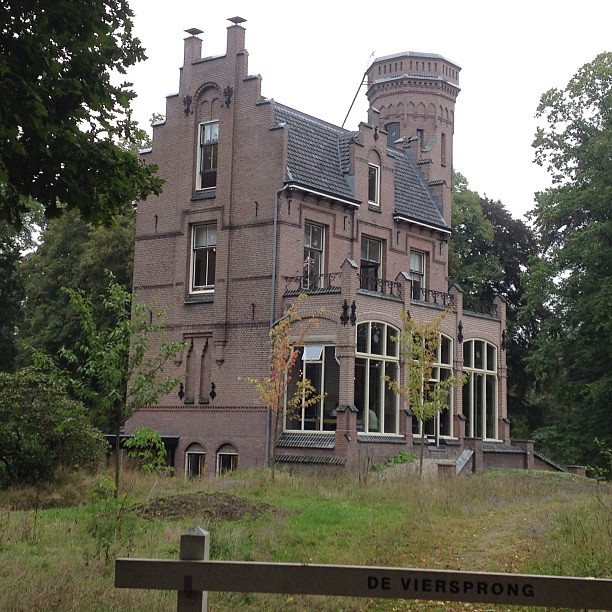
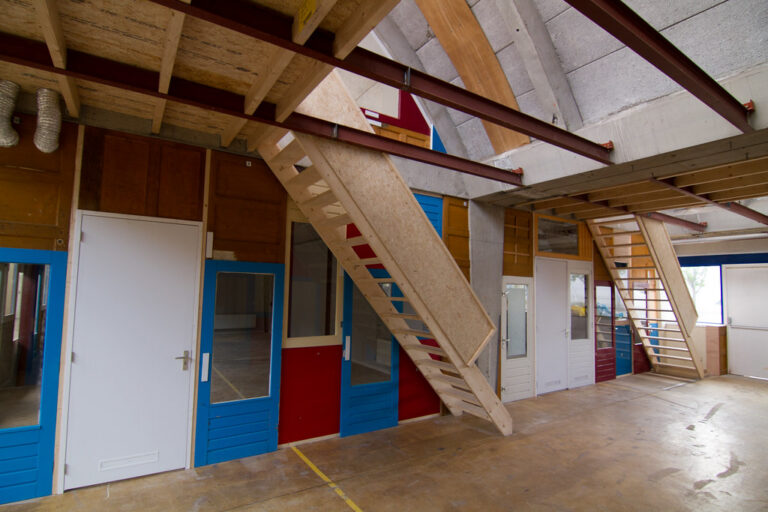
While I was com­ing down from my cold, Kars spent the week criss­cross­ing the Nether­lands attend­ing meet­ings of var­i­ous kinds. One such meet­ing was about the future of edu­ca­tion in a tru­ly idyl­lic loca­tion pic­tured below.

Today's office.

ASARI is in its final phase, run­ning through spread­sheets to see how the design will work out with real world num­bers. SANMA is gain­ing momen­tum with us just hav­ing processed the ini­tial brief pack­age and com­ing up with a gen­er­al idea what it is we would like to work on. It is nice to see the ebb and flow of these con­sult­ing engage­ments.

Kars also went to the HKU to be inter­viewed for the Dutch Design Week and to Rot­ter­dam to vis­it Pony Design Club and attend This Hap­pened – Rot­ter­dam #2 orga­nized by our dear friends. He says:

“WORM is an awe­some space (fit­ted with reused air­plane inte­ri­or pan­els) and the talks were good. I par­tic­u­lar­ly liked Drone It Your­self. The cre­ator said for a peri­od any object sparked the ques­tion ‘will it fly?’ ”

He also vis­it­ed Indi­go, to catch up with the Dutch games scene and then on the week­end he went to Hil­ver­sum again to be on Pavlov, a Dutch radio show by NTR about human behav­iour. The show is online for you to lis­ten to. I think it is very valu­able to have a design­er offer a prac­ti­cal counter-point to the sci­en­tists who are usu­al­ly fea­tured in these kind of pro­grammes.

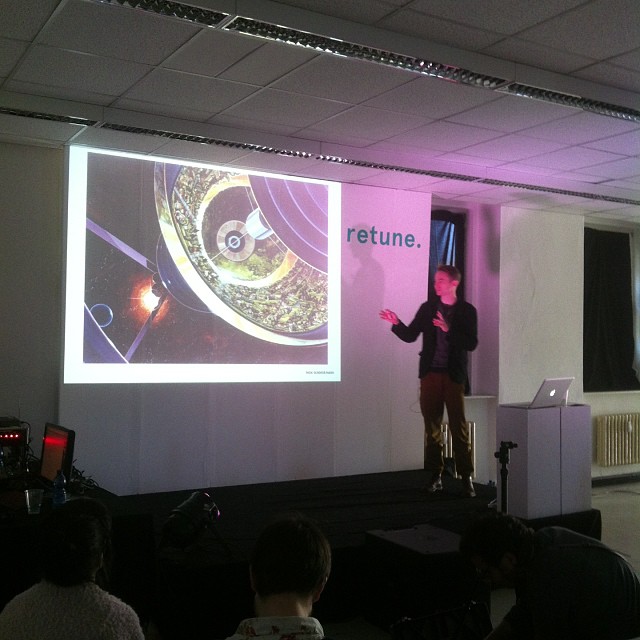
As I said I had been sick for a week and spent the end of the week prepar­ing my talk for Retune 2013, a cre­ative tech­nol­o­gy con­fer­ence orga­nized by good friends with a very diverse group of speak­ers (see below a pic­ture of Sascha Pohlflepp pre­sent­ing on sci­ence fic­tion and his amaz­ing work). I will be writ­ing a bit about my talk this week and I hope to share the record­ing some­time soon.

Sascha Pohlflepp kicking it off with science fiction #retune13

And I got a nice draw­ing of it from Anna Lena Schiller:

Posted in Weeknotes | Tagged , , , , , , , , , , , , , , , | Comments closed

Week 213

This was one of those in-between weeks so I’ll keep things short.

I wrote up and pub­lished a project page for Rip­ple Effect. This was a very inter­est­ing and reward­ing engage­ment with Shell, which we hope will see fol­low-up in the next year.

Alper returned from Japan. I updat­ed him of the things that went down in his absence and we were off again.

Off work­ing on SANMA, to be exact. We reviewed mate­ri­als shared by the client and for­mu­lat­ed pos­si­ble avenues of explo­ration. On Fri­day morn­ing we had an ear­ly Skype call to dis­cuss these. (Did I men­tion SAN­MA’s client is based in Aus­tralia? Makes for inter­est­ing con­fer­ence call times.) We decid­ed on which things we’ll be work­ing on more close­ly next.

The week end­ed with odds and ends, such as a pleas­ant mid-day meet­ing catch­ing up with Ianus. I did some plan­ning work for Beesten­ben­de’s final iter­a­tion and wrapped up with spec­tat­ing some GTA V which was being played in the Dutch Game Gar­den’s shared space.

Posted in Weeknotes | Tagged , , , , , , , | Comments closed

Week 212

On Mon­day last week I returned from a fun stay in War­saw. That same day, I attend­ed This hap­pened – Utrecht #17. As almost always, the talks were love­ly hon­est accounts of how things were made. I was par­tic­u­lar­ly tak­en with Mieke Mei­jer’s sto­ry about her dis­cov­ery of a wood-like mate­r­i­al made of old news­pa­pers.

On Tues­day, I had an ear­ly Skype call with SAN­MA’s client, who are based in Syd­ney. We kicked off the project and talked about where our con­tri­bu­tions will have the most impact.

I also did a lit­tle work on Beesten­bende.

Marc Fontei­jn had invit­ed me to join him for a short inter­view about Mak­ing Progress in the BNR stu­dio on Wednes­day. I had fun talk­ing with the host about our work, Pig Chase in par­tic­u­lar and par­ry­ing his some­what flip­pant respons­es. It was also rather amaz­ing to see a girl read the news. You nev­er real­ize it’s an actu­al per­son doing that when lis­ten­ing on the radio. See­ing it live, I was struck by how much of a skill it actu­al­ly is.

That day I also worked a bit on AJI, fight­ing with Xcode about typog­ra­phy, most­ly.

On Thurs­day I man­aged to scope out Koffie & Ik for Cup­pings. A nice spot in the west of Utrecht. I’m told the cakes are good.

I also attend­ed the Mak­ing Progress pre­miere. It was­n’t easy see­ing myself on big screen but the film did give me the urge to make even more things than we already do. After­wards, it also sparked a nice debate about how to thrive in dis­or­der. I guess that’s the best kind of thing a doc­u­men­tary on inno­va­tion, progress and change can hope for.

The week end­ed with more work on AJI. By the end I had set up all the screens I want­ed so now it’s a mat­ter of wait­ing for Alper to come back and tie up my loose ends. After which we should be ready to shoot a video and write about it.

Speak­ing of Alper, he con­tin­ued his hol­i­day in Japan taunt­ing all of us with pho­tos of cof­fee bars and moun­tain tops. He’ll return this week (today, actu­al­ly).

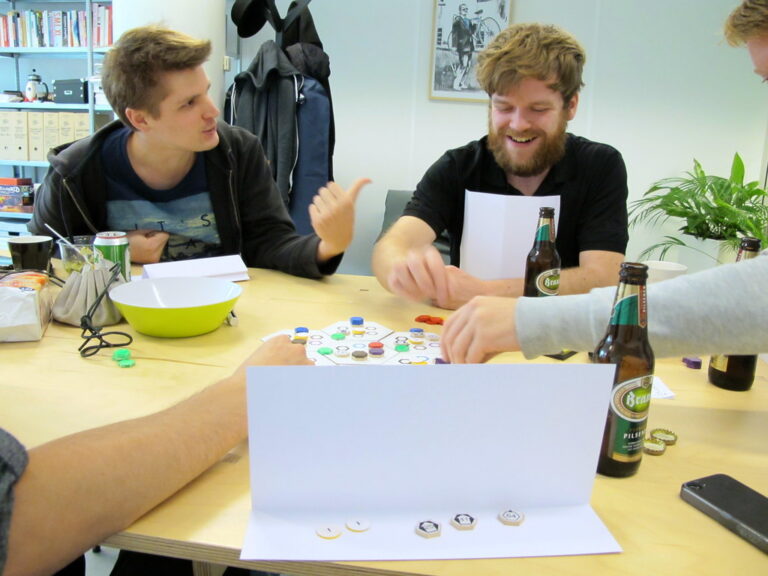
On Fri­day after­noon I host­ed a pro­to­type cri­tique ses­sion for local game design­ers. Most stu­dios in NL are small, so typ­i­cal­ly game design­ers find them­selves with­out peers to get feed­back from on their work. I decid­ed to invite a bunch of them and asked them to bring their work in progress. We sat down for a few hours, played them and offered con­struc­tive crit­i­cism. It was a lot of fun and also very use­ful. A ses­sion such as this is com­ple­men­tary to tra­di­tion­al play test­ing and I think it might help all of us design­ers to grow as prac­ti­tion­ers.

Testing Tim's strategic board game at Prototype Friday

The pro­to­type ses­sion was fol­lowed by anoth­er FRIDAYS AT 7 which was unas­sum­ing fun as always.

To fin­ish, let me point out Eric Zim­mer­man’s man­i­festo for a ludic cen­tu­ry, which we very much sub­scribe to. At the same time, we appre­ci­ate the crit­i­cism it has pro­voked, most notably David Kana­ga’s mind-blow­ing response. You should read both and if you do, tell us what you think!

Posted in Weeknotes | Tagged , , , , , , , , , , , , , , , , | Comments closed

Week 211

Last week, Alper was away on hol­i­day in Japan, mak­ing a coura­geous effort to drink all the cof­fee in Japan. His trav­els con­tin­ue this week, let’s hope he does not spon­ta­neous­ly com­bust.

Real deal

I was joined by Simon on Tues­day for a day of work on ASARI. We detailed the design of the toy­like inter­ac­tive info­graph­ics that will be part of the web­site. After some white­board sketch­ing, I hacked togeth­er anoth­er iter­a­tion in Pro­cess­ing, while Simon put togeth­er comps in Fire­works. I also made a quick screen­cast of me click­ing through the pro­to­type and talk­ing about some design deci­sions for the rest of the dis­trib­uted team.

Oth­er notable activ­i­ties includ­ed:

  • A plan­ning meet­ing on Thurs­day with the Utrecht Uni­ver­si­ty Muse­um for what will prob­a­bly be the final iter­a­tion on Beesten­bende for the fore­see­able future;
  • and a quick pre­sen­ta­tion of the stu­dio for a group of peo­ple from some of NL’s most promi­nent muse­ums, who were in the build­ing for a work­shop with INTK about muse­um ana­lyt­ics.

On Fri­day, I took a break from work to vis­it my long­time friend Den­nis in War­saw where he is work­ing on The Witch­er 3.

Posted in Weeknotes | Tagged , , , , , , , , , , | Comments closed

Week 210

Working

Last Mon­day I was in Utrecht to work on site with Kars and take care of some for­mal­i­ties we had pre­pared when Kars was in Berlin.

Settled in

On Tues­day while I was in the train back, Kars was in Ams­ter­dam catch­ing up with a bunch of good friends (some­thing I had done the night before by clinch­ing a pub quiz).

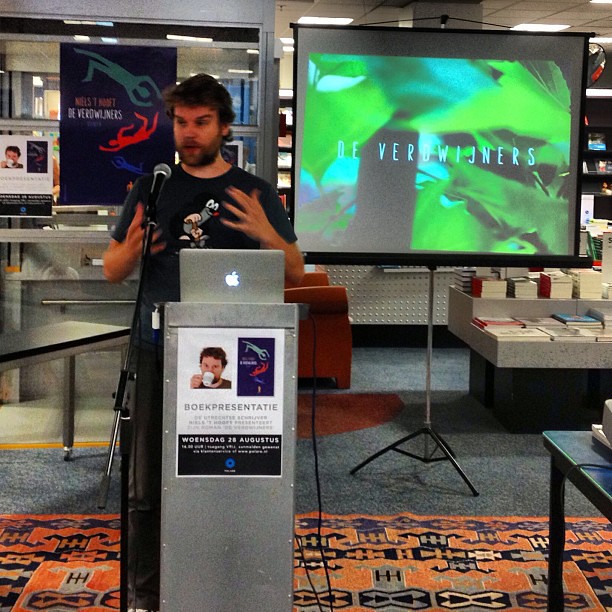
Boss writer @nielsthooft presenting his near future novel De Verdwijners

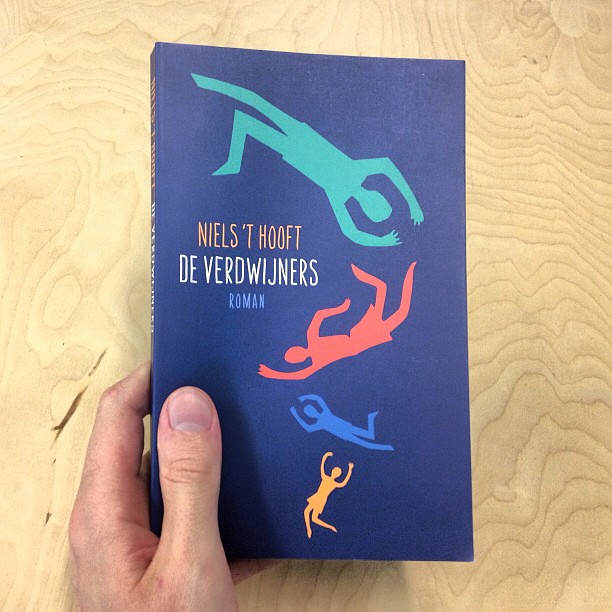
On Wednes­day I was writ­ing a report all day at KANT. The very same day, long-time col­lab­o­ra­tor Niels ‘t Hooft pre­sent­ed his new­ly pub­lished book ‘De Verd­wi­jn­ers’. Hav­ing already read and enjoyed an advanced copy of the book, I dare­say that this dark and dirty spec­u­la­tive fic­tion work is a treat for Dutch lit­er­a­ture.

The rest of the week Kars worked on ASARI and we put in a lot of time to get AJI into a show­able state (read more about that here). The mobile graph­ic design is iter­at­ing along nice­ly. And how­ev­er nice Xcode makes mobile devel­op­ment, it still isn’t an inter­face where pro­gram­mers and non-pro­gram­mers can work togeth­er on an equal foot­ing.

We hope to be able to show AJI when I get back from my hol­i­day in Japan in two weeks. In the mean­time Kars will keep the stu­dio run­ning.

Posted in Weeknotes | Tagged , , , , , , , | Comments closed

Week 209

As you may have noticed, Alper, Simon and myself have been run­ning a tiny app project on the side. It’s called Cup­pings and it helps you find good cof­fee spots near you.

This project grew out of a shared pas­sion for cof­fee and actu­al­ly start­ed out as an idea for a cof­fee tast­ing diary app kind of thing. That turned out too unwieldy to pull off in our spare time, so we ‘piv­ot­ed’ (apolo­gies) and did the guide. It’s doing rea­son­ably well on the App Store con­sid­er­ing we’re not doing any PR. And we’re hav­ing lots of nice con­ver­sa­tions with fel­low cof­fee geeks via @cuppings.

In the mean time, the idea to do “some­thing” with the activ­i­ty of tast­ing kept bounc­ing around my head. I’ve been play­ing around with var­i­ous pro­to­types for a cof­fee tast­ing game for a while now. Most of them are two-play­er and are about explor­ing each oth­er’s tastes and col­lab­o­ra­tive­ly build­ing a aro­ma pro­file of a cup of cof­fee.

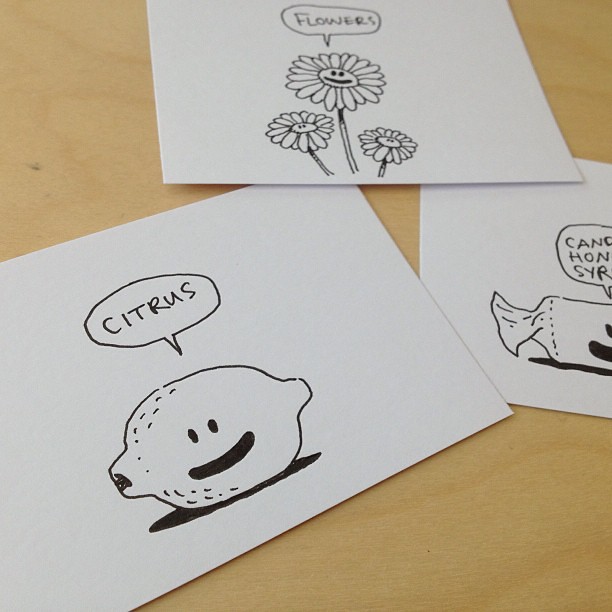
All of which serves as an intro­duc­tion for these wee­knotes because on Mon­day I sat down to do some cheeky draw­ings of com­mon (and less com­mon) cof­fee aro­mas.

Drawing coffee aromas

On Tues­day I start­ed mock­ing up the user inter­face for AJI in the rather excel­lent Sketch. (I can only hope they don’t sell out to Adobe.) That day we also pub­lished the first part of a blog post on that pro­jec­t’s back­ground.

The sec­ond part of that AJI post appeared on Wednes­day. I fin­ished mock­ing up the UI (it’s not that big) and I sub­mit­ted a work­shop pro­pos­al for Interaction14.

Mean­while, Alper binged on read­ing about Boyd and dis­cov­ered one of the fore­most experts on his lega­cy is a Dutch com­modore. Here’s Alper on why you should care about the sci­ence of deci­sion mak­ing:

“I had been curi­ous about Boyd since I read about him in Venkatesh Rao’s writ­ing. What I found espe­cial­ly inter­est­ing is Boy­d’s post-army work on sit­u­at­ed cog­ni­tion and cre­ativ­i­ty. See­ing as games con­cern them­selves with the aes­thet­ics of deci­sion mak­ing, I expect to dive deep­er into it and apply it in our work.”

Alper did find time to sub­mit a work­shop pro­pos­al to Mozil­la Fes­ti­val. It’s based on the same con­cept as the Interaction14 one—a work­shop about rules and sys­tems, mak­ing some of the hands-on tech­niques of game design acces­si­ble to mak­ers of all stripes in a fun, social­ly rel­e­vant way.

On Thurs­day we pub­lished the final part of the AJI blog post. I start­ed adjust­ing the pro­to­type Alper had already built in Xcode to con­form to the new UI design. This involved a lot of curs­ing about how con­straints in sto­ry­boards work. If that last sen­tence is mean­ing­less to you, con­sid­er your­self lucky.

In the after­noon I made a trip to the newish Vecht­club XL, an old fac­to­ry which has been turned into a love­ly cre­ative work­space hous­ing many dif­fer­ent dis­ci­plines. The peo­ple behind it boot­strapped it into exis­tence using a suc­cess­ful crowd-fund­ing dri­ve and are still expand­ing. They haven’t made use of any gov­ern­ment fund­ing so far, which used to be the norm for these kinds of ini­tia­tives. They’re also putting a lot of effort into—and suc­ceed­ing at—fostering a real cross-dis­ci­pli­nary com­mu­ni­ty inside and around the build­ing. Inspir­ing.

Vechtclub XL oplevering C+D

I also caught up with games journo, nar­ra­tive design­er and nov­el­ist Niels ‘t Hooft—who in the past has worked on a few Hub­bub projects—to receive a copy of his new nov­el De Verd­wi­jn­ers. I got to proof­read an ear­ly draft and am very curi­ous how it’s changed since then. Like I men­tioned before, it’s a rar­i­ty to find prop­er spec­u­la­tive fic­tion in Dutch lit­er­a­ture so I’m real­ly excit­ed about this book. If you’re able, you should come to the book launch in Utrecht this Wednes­day.

Proud owner of a signed copy of De Verdwijners by @nielsthooft. A near future novel, deemed "obscene" by the Dutch literary establishment. In other words: a must read!

On Fri­day, I start­ed a new iter­a­tion on the ASARI prototype—final tweaks before delivery—and I wrote up Vic­to­ry Boo­gie Woo­gie.

Posted in Weeknotes | Tagged , , , , , , , , , , , , , , | Comments closed

Notes on project AJI (part 3)

This is the third and final part of a post about AJI, a self-com­mis­sioned research project about pub­lic protests. Read the first and sec­ond post or con­tin­ue read­ing below.

The most impor­tant idea is that a protest is a per­for­mance of civic resis­tance and sol­i­dar­i­ty and as such it has a broad swath of spec­ta­tors who may them­selves turn into pro­test­ers. As the sec­ond part of piaz­za plus social media implies, the dig­i­tal reach of a protest is a big part of the event and car­ries with it sev­er­al asym­me­tries that are inter­est­ing to explore.

The first asym­me­try is one of infor­ma­tion quan­ti­ty and qual­i­ty. Peo­ple on the ground know for a fact what is hap­pen­ing in front of their eyes. Those fol­low­ing the protests from behind their com­put­ers get an overview of all the mes­sages in their Twit­ter stream but do not know how reli­able they are. In the Diren Gezi protests this was vis­i­ble with for instance the tweet­ed pic­ture of the mass­es cross­ing the Bosporus bridge which turned out to be tak­en from a pre­vi­ous marathon.

We ques­tioned how mes­sages are ver­i­fied and if it is pos­si­ble to struc­ture infor­ma­tion and help groups of peo­ple ver­i­fy it in a net­worked fash­ion. Build­ing trust and sift­ing through infor­ma­tion is already being done by jour­nal­ists and oth­ers infor­mal­ly and opaque­ly. We didn’t believe there was a lot to be won by mak­ing these process­es more explic­it.

We won­dered whether we could pro­vide a use­ful real-time infor­ma­tion dis­play to the peo­ple on the street protest­ing but that turned quick­ly into a ter­ri­bly hard cryp­tog­ra­phy prob­lem which would ben­e­fit only a small group of peo­ple (though it’s def­i­nite­ly one worth solv­ing).

Incitement by Splash & Ripple, a public game about surveillance and civic resistance

Incite­ment by Splash & Rip­ple, a pub­lic game about sur­veil­lance and civic resis­tance

We ques­tioned what turns peo­ple from spec­ta­tors into par­tic­i­pants. What kind of protests would or wouldn’t you join and what would that depend upon? This is an issue that many phys­i­cal games also strug­gle with and is the one we chose to work on.

The per­for­ma­tive aspects pro­vide spec­ta­tors with a base under­stand­ing of what the frame­work and its inten­tions are. They are then free to vary upon it in whichev­er way they want. Besides that, real or ad hoc social ties can serve as an easy way to get on board. We want­ed to focus on low­er­ing the bar­ri­ers to entry a lot with­out triv­i­al­iz­ing the act itself.

That is a prob­lem with vir­tu­al protest move­ments if you can even call them that (and by exten­sion online peti­tions as well): they don’t cost any­thing and there­fore they don’t have any con­se­quences either. So with project AJI we will be using a real world protest mechan­ic and aug­ment­ing it with game ele­ments to cre­ate a hybrid with—hopefully—the best qual­i­ties of both. We’ll reveal in a future post what it is going to be exact­ly.

Posted in Articles, Projects, Thoughts | Tagged , , , , , , | Comments closed

Notes on project AJI (part 2)

This is the sec­ond part of a post about AJI, a self-com­mis­sioned research project about pub­lic protests. Read the first post or con­tin­ue read­ing below.

Look­ing back on the talks we gave in the past few years, they’re obvi­ous­ly (and nat­u­ral­ly) prece­dents for what we’re doing with AJI now. I’m real­ly hap­py we’re return­ing to the sub­ject and are con­tribut­ing to the con­ver­sa­tion by mak­ing a thing.

To sum­ma­rize those talks, it start­ed with New Games for New Cities which I pre­sent­ed at FutureEv­ery­thing back in 2011. This was main­ly a cri­tique of the pre­scrip­tive nature of the typ­i­cal gam­i­fi­ca­tion approach—which back then was still being hot­ly debat­ed. I focused on how open-end­ed play sup­ports the devel­op­ment of self-reg­u­la­tion, a skill very much in demand in today’s urban soci­eties.

Futureeverything 007 038

The Trans­form­ers, which I pre­sent­ed at dCon­struct in the same year, picks up where New Games left off. Against the back­ground of the Lon­don riots (which had just tak­en place) I reflect­ed on social frag­men­ta­tion in city neigh­bor­hoods. My gam­bit was that although tech­nol­o­gy seems to con­tribute to such esca­la­tions (and also to the frag­men­ta­tion that leads up to them) the same tech­nol­o­gy can be put to pos­i­tive uses. Games can act as test­beds for new ways of liv­ing togeth­er, and func­tion as meet­ing places for dis­parate groups. I went on to describe some aspect that I think such games must have: light-weight, meme-like and net­worked.

Riots in Tottenham

Final­ly, in The Social Con­tract Put at Play, which I deliv­ered at Lift12, I revis­it­ed the dCon­struct mate­r­i­al through a dif­fer­ent lens. I tried to go into more depth about what the sources of civ­il dis­con­tent are—in short, a lack of agency. I also used an anthro­po­log­i­cal mod­el of pub­lic events as a way to under­stand how games might func­tion as a tool for regain­ing agency. In a nice full-cir­cle way, I end up argu­ing that again, open-end­ed­ness and gen­er­a­tiv­i­ty are key aspects of such pub­lic-games-as-new-rit­u­als.

The social contract put at play lift12 022

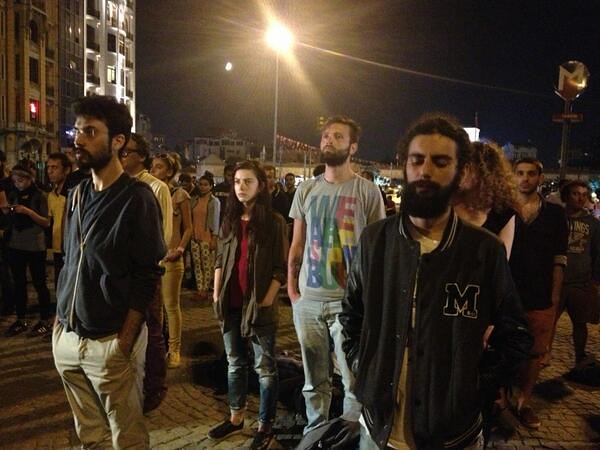
How­ev­er, with all this talk of alle­vi­at­ing the stress­es that lead to pub­lic outbursts—public games as pres­sure valves—I think I neglect­ed to con­trast riots to protests. They are dif­fer­ent beasts, as Wouter Vanstiphout excel­lent­ly shows in a recent Strel­ka inter­view. I think what we’re focus­ing more on with AJI now is to sup­port ludic acts of resis­tance in pub­lic. To some extent this is a con­tin­u­a­tion of the kinds of play­ful protests that for exam­ple the Provos engaged in. And the stand­ing man stuff that hap­pened in Turkey is a great recent exam­ple.

Provos with white banners

DuranAdam

What I’m inter­est­ed in, is how we can pro­vide cit­i­zens with play­ful tools for resis­tance. I enjoy the idea of re-appro­pri­at­ing some of the tropes so com­mon in social apps today to fur­ther the inter­est of the pub­lic, instead of cor­po­ra­tions. (This is in fact a big chunk of what I talk about in my con­tri­bu­tion to The Game­ful World, which is due to appear soon, I hope.)

Any­way, Alper, maybe you can wrap things up by sum­ma­riz­ing some of the things we con­sid­ered doing with this project but reject­ed, and what we’ve decid­ed to focus on?

Con­clud­ed in part 3.

Posted in Articles, Projects, Thoughts | Tagged , , , , , , , , , , , , | Comments closed