Hubbub has gone into hibernation.

Designing Gamification in Paris

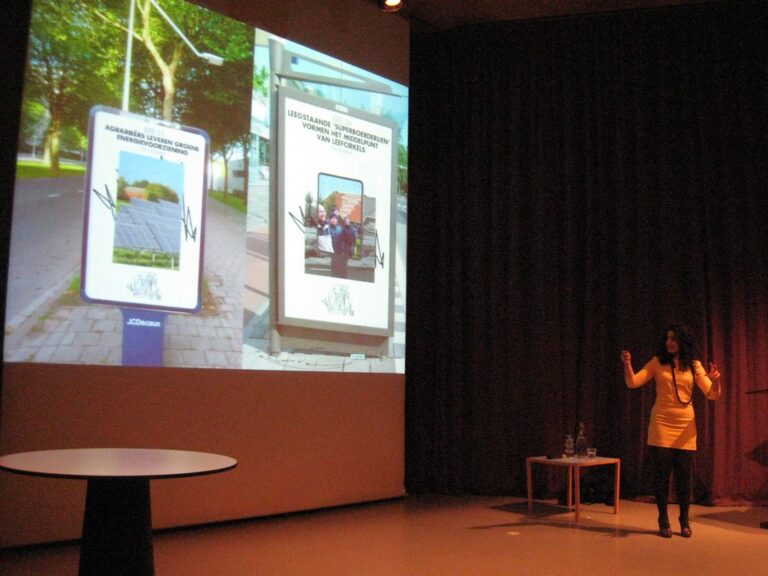
Tomor­row I’ll be off to Paris for the Design­ing Gam­i­fi­ca­tion work­shop at this year’s ACM SIGCHI event. I’m look­ing for­ward to con­tribut­ing our expe­ri­ence as prac­ti­tion­ers mak­ing games to the work­shop. We think that it would be fan­tas­tic if efforts at gam­i­fi­ca­tion were led by actu­al game design­ers.

I also hope that this (along with the Game­ful World book) will be some­thing of a step in lay­ing to rest the thing that is gam­i­fi­ca­tion. I have no illu­sions that this will be the final word. A quick twit­ter search shows how wide­spread the word has become. Read­ing through most inter­pre­ta­tions of that word as well as ‘seri­ous games’ shows a seri­ous mis­un­der­stand­ing of what games are and an immense hope as to what they can do. I think we should inter­pret that as a man­date. Games can be fun and do inter­est­ing things. It is up to us to show how.

New Games for Extant Contexts

Our sub­mis­sion to the work­shop is a paper called “New Games for Extant Con­texts”. It draws from our expe­ri­ence over the past years to cre­ate games that are sit­u­at­ed with­in a spe­cif­ic con­text, that take the affor­dances and prob­lems of those con­texts and use them to cre­ate new games.

In that paper we keep on ham­mer­ing on ‘play test­ing’, some­thing that is strange­ly miss­ing from almost all of the oth­ers. Play test­ing, we believe, is an essen­tial part of cre­at­ing games and a step that should not be skimped upon. Read all about it in the paper.

The Papers

In the stack of papers there are a bunch of exam­ples of gam­i­fi­ca­tion added to every­day tasks, some that try to add gam­i­fi­ca­tion or game­ful design to exist­ing user cen­tered design or busi­ness process­es and some that try to sal­vage the rhetoric in one way or anoth­er. If you want a more in depth impres­sion, you should jump straight into the extend­ed abstract.

I found some notable bits from a cou­ple of papers. Sebas­t­ian Deter­d­ing’s “Skill Atoms as Design Lens­es for User Cen­tered Game­ful Design” which iden­ti­fies issues with exist­ing approach­es to apply game­ful design:

  • Not sys­temic: They mere­ly add game design ele­ments, where­as game design approach­es games as sys­tems where expe­ri­ences emerge from the dynam­ic inter­ac­tion of users with all sys­tem com­po­nents [6,11].
  • Reward-ori­ent­ed: They focus on moti­vat­ing through rewards instead of the intrin­sic moti­va­tions char­ac­ter­is­tic for games, like com­pe­tence [6,14].
  • Not user-cen­tric: They empha­size the goals of the sys­tem own­er, often neglect­ing or even being detri­men­tal to the users’ goals [1,6,14].
  • Pat­tern-bound: They lim­it them­selves to a small set of feed­back inter­face design pat­terns (points, badges, leader boards), rather than afford­ing the struc­tur­al qual­i­ties of games that give rise to game­ful expe­ri­ences [6,14,17].

This is a good col­lec­tion of issues that should be addressed, though address­ing them is anoth­er issue alto­geth­er. I would rec­om­mend all of Sebas­tian’s writ­ing on this top­ic and his pre­sen­ta­tions for the much need­ed clar­i­ty of thought and prose they offer.

Anoth­er that caught my atten­tion is the “Gam­i­fi­ca­tion in Busi­ness: Design­ing Moti­vat­ing Solu­tions to Prob­lem Sit­u­a­tions” one by Deb­o­rah Gears and Karen Braun. As a goal this is very much in line with what we do and they also ref­er­ence Self-Deter­mi­na­tion The­o­ry, a mod­el that we employ as well.

The self-deter­mi­na­tion the­o­ry (SDT) [4] framed a moti­va­tion mod­el for under­stand­ing what and how human behav­ior is ini­ti­at­ed and reg­u­lat­ed [4,13,14]. The SDT rec­og­nizes social and envi­ron­men­tal con­di­tions that affect per­son­al voli­tion and engage­ment in activ­i­ties. The SDT com­bines both con­tent (psy­cho­log­i­cal needs) and process (cog­ni­tion) moti­va­tion describ­ing needs for auton­o­my, com­pe­tence, and relat­ed­ness. An individual’s moti­va­tion for action is defined along a spec­trum of amo­ti­va­tion, extrin­sic moti­va­tion, and intrin­sic moti­va­tion mea­sured by per­ceived locus of causal­i­ty (exter­nal to inter­nal reg­u­la­tion) [6]. Needs for auton­o­my and com­pe­tence allow the “pre­dic­tion of the social cir­cum­stances and task char­ac­ter­is­tics that enhance ver­sus dimin­ish intrin­sic moti­va­tion.” [3 p. 233]

I’m look­ing for­ward to the work­shop and I hope for some fruit­ful dis­cus­sion. I hope to meet you, if you’re there.

Posted in Articles, Events, Upcoming | Tagged , , , , , , , , | Comments closed

Week 191

Last week was the penul­ti­mate pro­duc­tion week for KAIGARA dur­ing which I was present at the Utrecht stu­dio for three days for the very essen­tial face­time that can­not be replaced by Apple’s Face­Time even though it does come close.

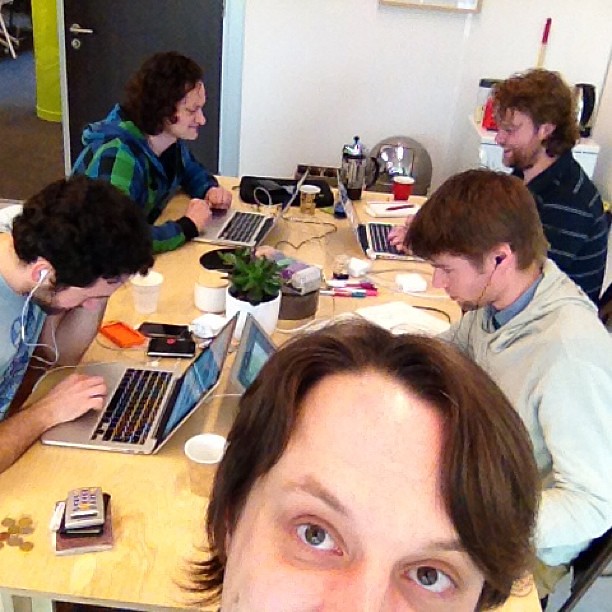
Tues­day was a full day of work with the entire team at the Hub­bub stu­dio helmed by the fear­less Kars:

Yesterday: team KAIGARA at the studio #latergram

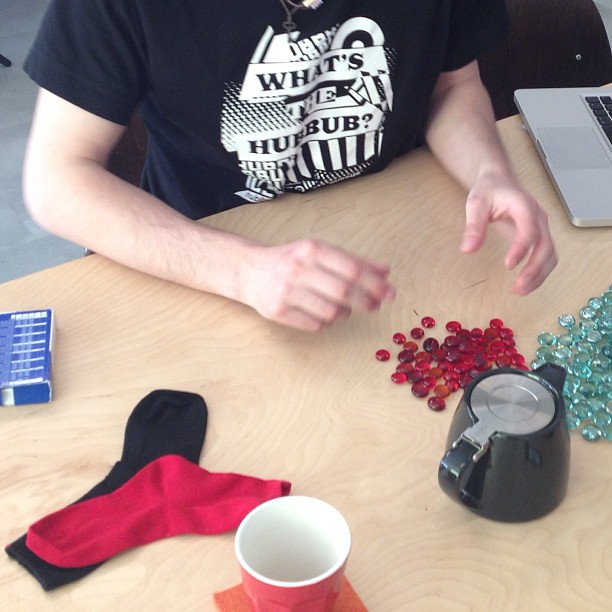
Every­thing is com­ing togeth­er nice­ly and with most of the game already there, we were most­ly busy adding assets and final­iz­ing every­thing else. We also ran a playtest at the stu­dio to explore some future mechan­ics:

Tim prepping for a KAIGARA playtest. Yes, those are tiny socks. #latergram

Wednes­day was a sim­i­lar day but then with the team work­ing off-site. Kars also got around to pub­lish­ing a bunch of stuff we have been cook­ing up.

First the Beesten­bende movie with Eng­lish sub­ti­tles so we can final­ly share this very nice game we made with an inter­na­tion­al audi­ence:

We also pub­lished an inter­view with Stu­dio Papaver about their game on pop­u­la­tion shrink­age we helped them with. Some­thing like ‘World With­out Peo­ple’ but a bit less apoc­a­lyp­tic. In their words:

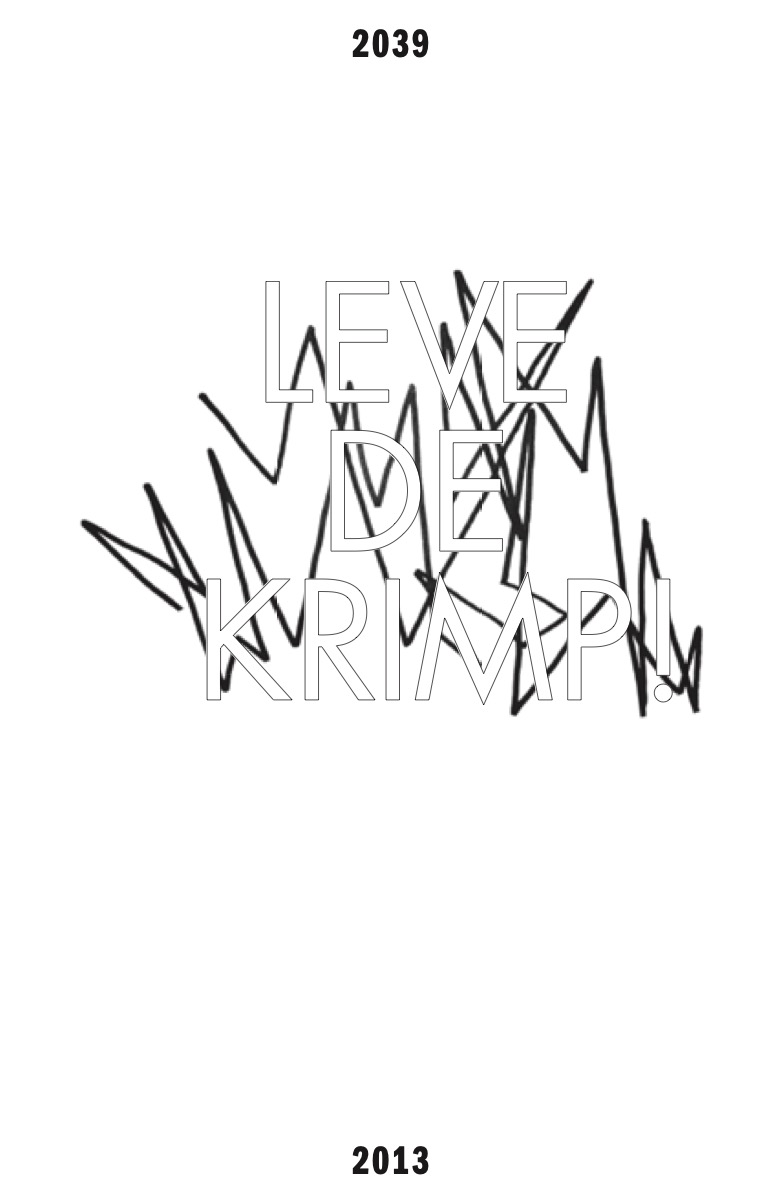
We specif­i­cally chose for an alter­nate real­ity game (ARG), because this game type puts an extra lay­er on top of real­ity. The game isn’t only being played in the ‘vir­tual world’, but also in the real, phys­i­cal world. The game ‘Leve de Krimp!’ (‘Let’s shrink!’) enables play­ers to expe­ri­ence their dai­ly lives in a future where nobody antic­i­pated on the shrink­age of the pop­u­la­tion. So: play it before you live it!”

On Thurs­day Hub­bub agent Arjen left for Knutepunkt. Kars and I have want­ed to vis­it this Nordic Larp con­fer­ence for a while now, but nei­ther of us had the time this year to go. Arjen is a main­stay of the Dutch LARP scene so we thought he would ben­e­fit more from the expe­ri­ence and he agreed to be our eyes on the ground. I’ve col­lect­ed his tweets over at Stori­fy and there will be an in depth report here soon.

On Fri­day I took the train back to Berlin while Kars met with De Gids about the progress of (Your Dai­ly) Vic­to­ry Boo­gie Woo­gie. The game and sto­ry are crys­tal­liz­ing and it is becom­ing clear both for play­ers and writ­ers how to best play.

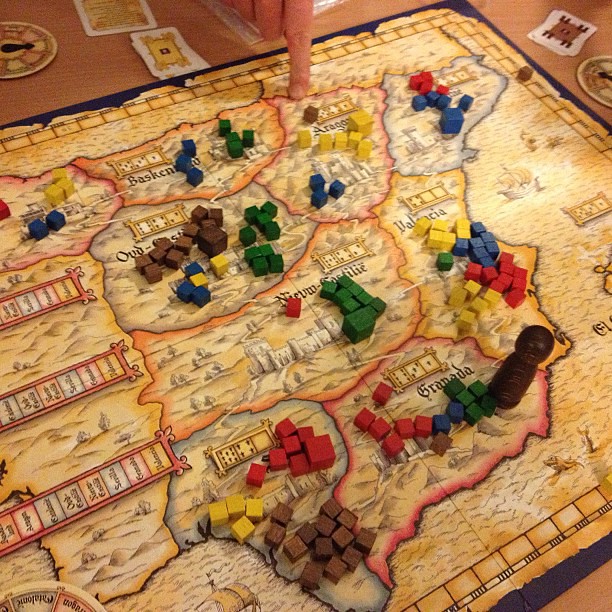
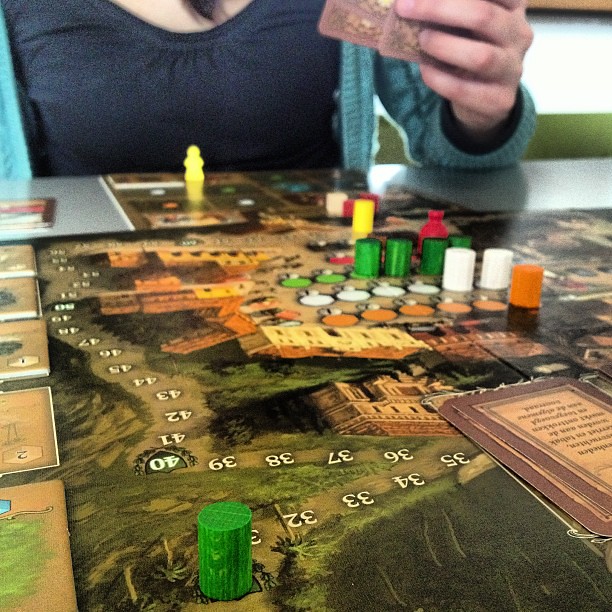
Sat­ur­day I wrote my belayed Recess! (the tenth of that already) and Kars played a bunch of games at Joris Dor­man­s’s boardgame week­end. I am incred­i­bly jeal­ous espe­cial­ly of this bit of El Grande:

Board games I played last weekend: El Grande. #latergram

Posted in Weeknotes | Tagged , , , , , , , , , , , , , , , , , | Comments closed

Q&A with Studio Papaver about their collective intelligence game for population shrinkage

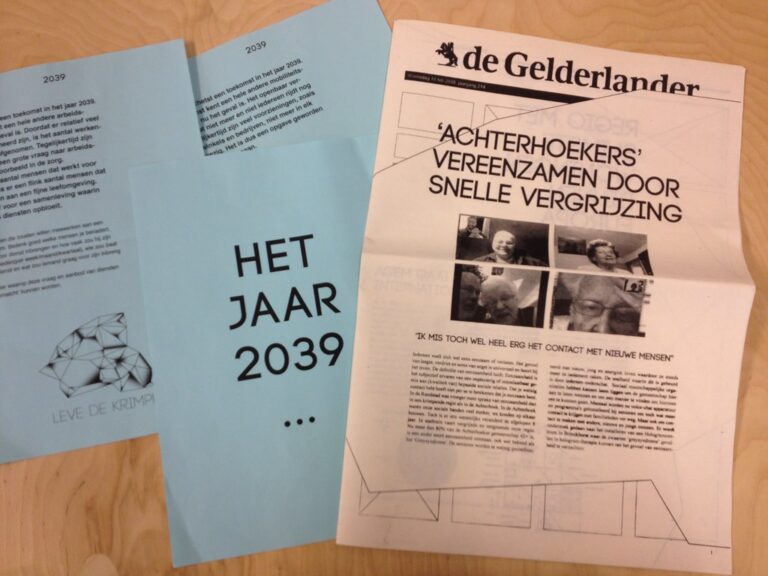
Received a newspaper from the future

Anne and Zineb of Stu­dio Papaver got in touch with me towards the end of last year, ask­ing if I would advise them on a project they were start­ing at the Stu­dio for Unso­licit­ed Archi­tec­ture. They were work­ing on the prob­lem of pop­u­la­tion shrink­age, and they were think­ing of mak­ing a game. Archi­tects mak­ing games—as reg­u­lar read­ers prob­a­bly know I have a long-stand­ing fas­ci­na­tion for archi­tec­ture and urban plan­ning, so I could not refuse. Almost half a year lat­er and Anne and Zineb are done, at least with the first stage of the project. The result is called ‘Let’s Shrink!’—a col­lec­tive intel­li­gence game for res­i­dents of regions antic­i­pat­ing shrink­age, which gen­er­ates pos­si­ble future solu­tions through play. I’m so impressed with what Anne and Zineb have done that I asked them a few ques­tions. Below are their answers, which I think will give you a good under­stand­ing of what shrink­age is, why Stu­dio Papaver decid­ed to make a game, how they went about this and what the end result is like.

1. Can you tell us a bit about pop­u­la­tion shrink­age, what it is, how it hap­pens, and so on?

“We are quite used to the fact that the num­ber of res­i­dents and house­holds are grow­ing. It has been like that for sev­er­al decades. But since a cou­ple of years, this on-going growth has come to a stop. Instead, the num­bers of inhab­i­tants and house­holds are declin­ing. This phe­nom­e­non is called ‘pop­u­la­tion shrink­age’. Shrink­age is present in some bor­der areas in the Netherlands—in Zeeuws Vlaan­deren, in the north­east of Gronin­gen and in the south of Limburg—but also in oth­er Euro­pean coun­tries, like in some parts of Ger­many, France and Spain.

The fact that less peo­ple are liv­ing in cer­tain areas isn’t direct­ly a prob­lem. But since all our (eco­nom­i­cal) sys­tems are based on growth and increas­ing num­bers, a prob­lem aris­es when shrink­age appears. There­fore, the effects of shrink­age are painful. As a result of shrink­age, hous­es become vacant or are on sale for many years, the val­ue of real estate declines rapid­ly, the crit­i­cal mass for the use of facil­i­ties evap­o­rates and areas impov­er­ish. These effects of pop­u­la­tion shrink­age put pres­sure on the liv­ing con­di­tions of the peo­ple in such areas.

Shrink­age, in com­bi­na­tion with oth­er demo­graph­ic devel­op­ments as the aging of the pop­u­la­tion is there­fore one of the biggest chal­lenges of the Euro­pean future. Many politi­cians, chair­men and man­agers real­ize and embrace the chal­lenges that pop­u­la­tion shrink­age is rais­ing. But the peo­ple who are actu­al­ly liv­ing in (future) shrink­ing regions aren’t aware of these.”

2. Why did you decide a game would be a good way to deal with this issue?

“We want­ed to cre­ate a process that makes inhab­i­tants of shrink­ing regions aware of the sit­u­a­tion that they’re in. This process would show them the pos­si­bil­i­ties that emerge when they accept the ‘shrink­ing-chal­lenge’ and come into action. In this per­spec­tive, the choice for a game is quite evi­dent. A game enables the pos­si­bil­i­ty for peo­ple to engage with larg­er themes and phe­nom­e­na that don’t seem to harm their dai­ly lives yet. Instead of read­ing about shrink­age, play­ers expe­ri­ence all the actions in the first per­son. And by using a game, play­ers are chal­lenged to use their cre­ativ­i­ty.

We specif­i­cal­ly chose for an alter­nate real­i­ty game (ARG), because this game type puts an extra lay­er on top of real­i­ty. The game isn’t only being played in the ‘vir­tu­al world’, but also in the real, phys­i­cal world. The game ‘Leve de Krimp!’ (‘Let’s shrink!’) enables play­ers to expe­ri­ence their dai­ly lives in a future where nobody antic­i­pat­ed on the shrink­age of the pop­u­la­tion. So: play it before you live it!”

21-3-2013 Eindpresentatie Studio for unsolicited architecture design & e-culture

3. How did you design the game, what did your process look like?

“We designed our game with help from Kars. As urban design­ers we are quite famil­iar with process­es that chal­lenge inhab­i­tants to coop­er­ate in (spa­tial) devel­op­ments. But we’ve nev­er used a game before as a guide for these type of process­es. We designed the game from a pos­i­tive per­spec­tive, to break through the neg­a­tive con­no­ta­tions that often sur­round depop­u­la­tion. Play­ers are shown a ‘com­mon future’ in 2039 where nobody antic­i­pat­ed on shrink­age and we offer them the pos­si­bil­i­ty to change the dai­ly lives of four char­ac­ters in 2039, by doing actions in 2013. It’s a kind of ‘back to the future’- sce­nario: chang­ing the future by act­ing in the present.

Our process wasn’t total­ly flu­id, but doing a small pilot real­ly helped us out. This pilot showed imme­di­ate­ly which game-ele­ments were work­ing prop­er­ly, which ele­ments were ‘catchy’ and which aspects need­ed fur­ther atten­tion. Also, the pilot turned out to pro­vide us with good argu­ments in con­ver­sa­tions about the fur­ther devel­op­ment of the game with pos­si­ble part­ners.”

4. What did you learn from the pilot you ran?

“We ran the small scale pilot in the Achter­hoek, a region in the east of Hol­land, which needs to antic­i­pate on the depop­u­la­tion it will be fac­ing.

The pilot was played by three inhab­i­tants dur­ing a week and a half. The play­ers have imag­ined them­selves liv­ing in the year 2039. The process and the results are sur­pris­ing and promis­ing. We learned that the game actu­al­ly cre­at­ed the aware­ness on the effects of shrink­age, which can be a very abstract theme. We also learned that these peo­ple got extreme­ly moti­vat­ed to cre­ate ideas and solu­tions. One of the play­ers has been cap­ti­vat­ed by the assign­ment he got with­in the game – look­ing for a new (civic) econ­o­my with­in an aged and depop­u­lat­ed soci­ety — so much that he decid­ed to con­tin­ue the research he start­ed on 3D print­ing in the Achter­hoek for the next 5 years.

Though the pilot was played with half fab­ri­cat­ed ele­ments of the game, it showed us which ele­ments are work­ing very well and which need to be devel­oped more or dif­fer­ent­ly. Dur­ing the pilot we dis­cov­ered that the char­ac­ters in the year 2039 should be giv­en a very promi­nent posi­tion in the sto­ry­telling. Which we did after the pilot.

We also learned it is very impor­tant to have a sense of col­lec­tiv­i­ty dur­ing play, there­fore we are very hap­py that we man­aged to start and end the pilot hav­ing all the play­ers present at the same time and place. Dur­ing the pilot we made sure there would be reg­u­lar con­tact with the play­ers by email. After the pilot we real­ized two strong ele­ments of this spe­cif­ic alter­nate real­i­ty game: the excite­ment of chang­ing the future from the present and the com­bi­na­tion of phys­i­cal gath­er­ings and online com­mu­ni­ca­tion.”

Leve de krimp! bid book, cover
Leve de krimp! bid book (PDF, 6 MB, 59 pages; Stu­dio Papaver, 2013).

5. What’s next for the project?

“We made a bid book. This bid book is a propo­si­tion for part­ners which are deal­ing with shrink­ing regions and have a high inter­est in cre­at­ing a sense of urgency and aware­ness for inhab­i­tants to start to co-antic­i­pate on the effects of depop­u­la­tion.

‘Let’s Shrink!’ (‘Leve de Krimp!’) con­sists of a gener­ic and a spe­cif­ic part. The gener­ic part is the frame­work of the game which can be applied in dif­fer­ent regions that deal with depop­u­la­tion and aging as a strong demo­graph­ic change. The spe­cif­ic part is the pos­si­bil­i­ty of shap­ing the con­tent of the game to the cul­ture, men­tal­i­ty and rel­e­vant themes with­in a shrink­ing region. For the next stage of the project Stu­dio Papaver would like to work with part­ners who have a strong inter­est in the gener­ic part (such as min­istries and Euro­pean pro­grams) and part­ners who have a strong inter­est in the spe­cif­ic part (such as local orga­ni­za­tions and pri­vate par­ties). Our next step would be to play a larg­er pilot and then fine tune the game to play it for real.”

Thank you Anne and Zineb and best of luck with devel­op­ing ‘Let’s Shrink!’ fur­ther.

Posted in Projects | Tagged , , , , , , , , | Comments closed

Playtest our game, play some boardgames

Do you love some good old team­work in your game? Hub­bub is work­ing on a new coop­er­a­tive mul­ti­play­er game and we’re look­ing for playtesters. Come to our upcom­ing test ses­sion at the Sub­cul­tures game night in the Dutch Game Gar­den, this Thurs­day, April 18, between 18:00 and 21:00. Not only can you play our game, you can also play the lat­est boardgames and get a sneak pre­view of upcom­ing ones. As a thank you for help­ing out we’ll cov­er your game night admis­sion fee. Send an email to tim@hubbub.eu or find us at stu­dio 1.04 on the night itself.

Posted in Upcoming | Tagged , , , , , , | Comments closed

Week 190

Hav­ing launched Vic­to­ry Boo­gie Woo­gie just before the week­end it’s only nat­ur­al we had to do a few quick fix­es on Mon­day, the first prop­er day of the game.

I sat down with Niels to review his nar­ra­tive design for KAIGARA. He’s doing a great job of adding “just enough” theme to what is oth­er­wise shap­ing up to be a rather mechan­ics-and-social-inter­ac­tion ori­ent­ed game.

Alper went to a lec­ture by Gra­ham Har­man that day. Har­man is one of a num­ber of philoso­phers we’ve been fol­low­ing with some inter­est late­ly. His treat­ment of Bruno Latour’s ideas is a worth­while read. I’m also quite par­tial to his use of HP Love­craft to explain OOO.

On Tues­day Alper flew to Munich to present our work on FURAPPA to the clien­t’s team. This wraps up the first stage of our work with them. We had lots of fun with this so far, so I’m hop­ing we’ll be able to con­tin­ue and devel­op some of our ideas into more detail.

That same day I had Bas­ti­aan, Niels and Tim over at the Utrecht stu­dio for our week­ly KAIGARA team day. Bas­ti­aan put the final touch­es on the front­door while Niels and Tim worked out a lot of the details of how the theme and the mechan­ics of the game inter­con­nect. We also got to play around with a first rough dig­i­tal pro­to­type.

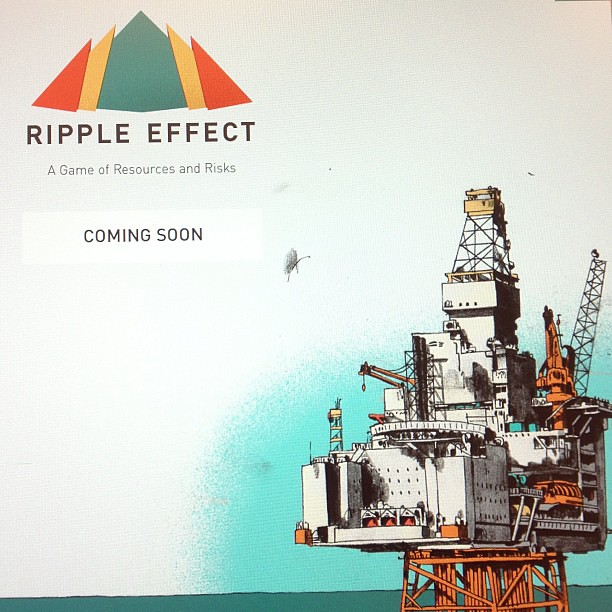
Alper deployed the KAIGARA front­door on Wednes­day. KAIGARA is titled Rip­ple Effect, and it’s a game for orga­ni­za­tion­al change we’re mak­ing for Shell. The remain­der of the week we most­ly just con­tin­ued work on the project. I had a few calls with the client to dis­cuss our progress and logis­tics of the upcom­ing pilot.

Pre-announcing our next game. See if you can find it. #kaigara #rippleeffect

Mean­while Vic­to­ry Boo­gie Woo­gie’s first week came to a close. We pushed small tweaks and fix­es to the live site as we saw things firm­ing up. Mean­while some fun writ­ing and art were sub­mit­ted. Per­son­al favorites include this essay on Mon­dri­aan’s hand­writ­ing by Kees ‘t Hart and this ani­mat­ed gif of var­i­ous yel­low jack­ets by Eva-Fiore Kova­cov­sky. I’m real­ly pleased with how it’s already turn­ing out to be this kalei­do­scop­ic sto­ry­world that you can kind of pick your own way through, and knead by writ­ing some your­self. I’m Kaeru there myself, by the way, and this is my first sub­mis­sion.

And final­ly we were pleased to see Hide&Seek’s Tiny Games Kick­starter make it to the fin­ish line. Not in the least because this means I will get to design a tiny game for the app myself, too.

Posted in Weeknotes | Tagged , , , , , , , , | Comments closed

Week 189

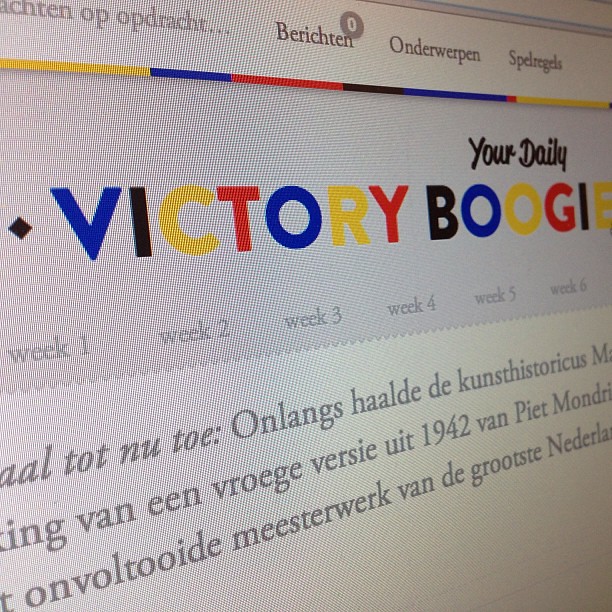
Last week we were busy launch­ing (your dai­ly) Vic­to­ry Boo­gie Woo­gie. Fre­net­ic writ­ing has already com­menced over there. You can join in it, if you write Dutch or you can start read­ing the first week’s results.

Victory Boogie Woogie is almost here…

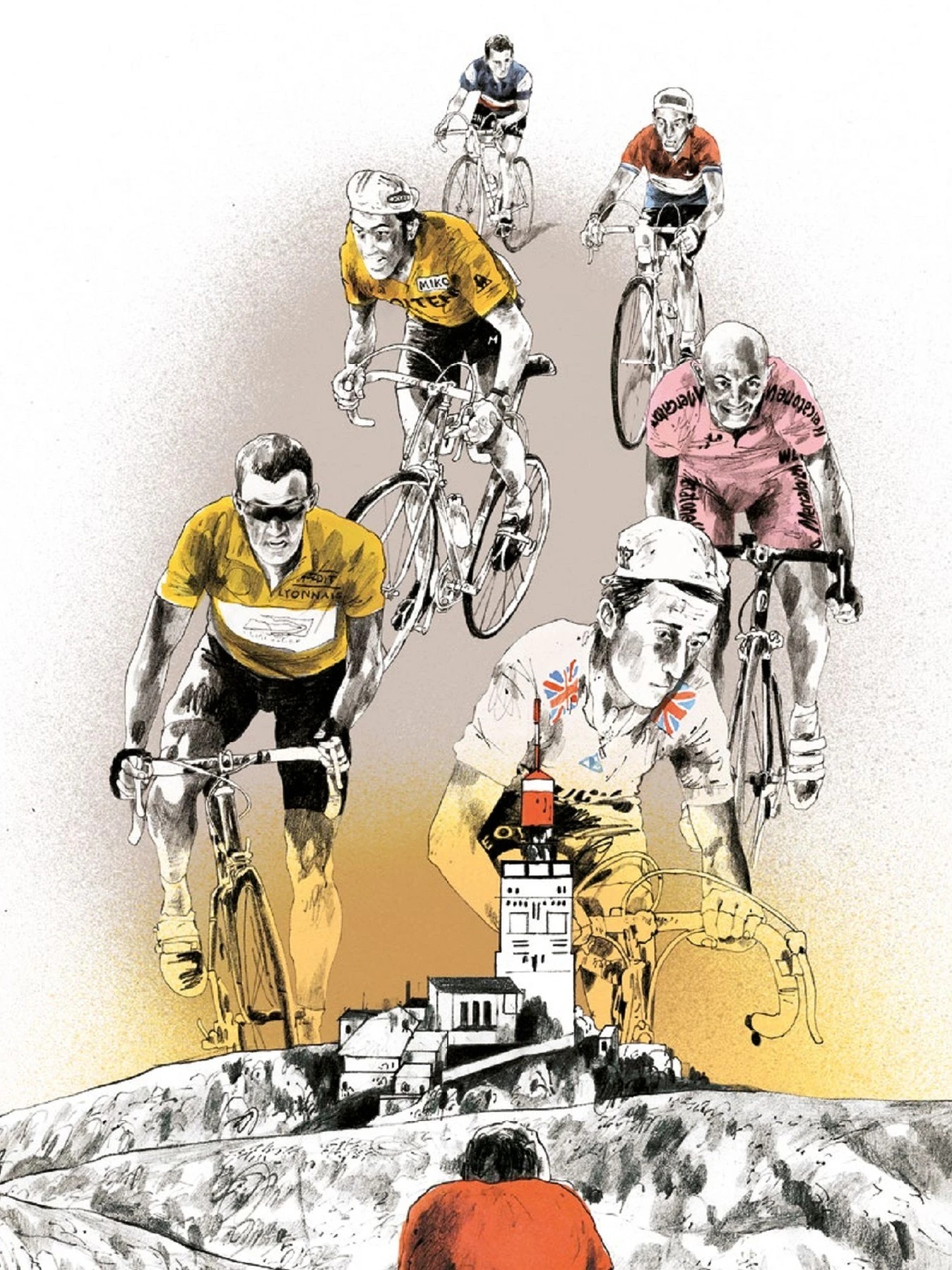
The main oth­er thing we are busy with is the first run of KAIGARA. The art that Joost Stokhof is cre­at­ing for it is look­ing ter­rif­ic and we hope to share some of that with you in the near future. For now, you’ll have to make do with this sam­ple of his work:

Illustration by Joost Stokhof for Soigneur magazine
Illus­tra­tion by Joost Stokhof (thethingsweare.com) for “Fan­tomen van de Ven­toux” by Bas Ste­man, Soigneur #2, 2013, p. 73.

The Tiny Games Kick­starter that we are par­tic­i­pat­ing in has made it but you can still chip in. We think this is going to be a lot of fun for all occa­sions.

I had a full blown com­put­er crash on Thurs­day, but after acquir­ing replace­ment hard­ware I was up and run­ning in a mat­ter of hours again. I can’t stress enough the impor­tance of back­ups and the cloud.

We fin­ished the last bit of work for FURAPPA more on which you’ll read in next week’s notes.

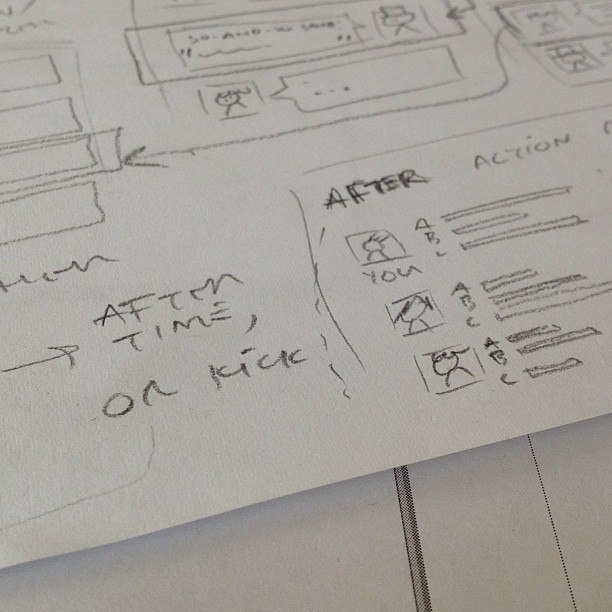
Cleaning up FURAPPA sketches

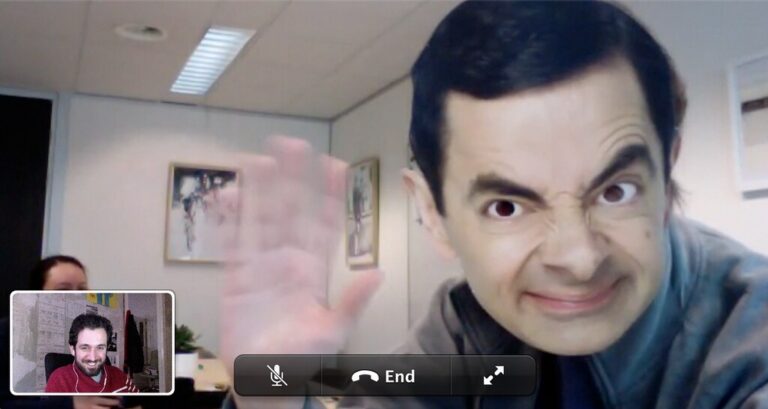
And this was last Fri­day just after the launch:

Facetiming with Mr. Bean

Posted in Weeknotes | Comments closed

Introducing Victory Boogie Woogie

We’ve been writ­ing about project SAKE here since June last year. A while back it was unveiled to be (Your Dai­ly) Vic­to­ry Boo­gie Woo­gie, an online col­lab­o­ra­tive writ­ing game we’ve made togeth­er with De Gids. Next week on Mon­day, the game will start. So I thought I’d take the time to tell you a bit more about it.

Over the course of ten weeks, a small group of Dutch writ­ers and who­ev­er feels like join­ing in—including you—will write about the dis­cov­ery of a new Vic­to­ry Boo­gie Woo­gie, Mon­dri­aan’s last, unfin­ished work which is of con­sid­er­able sig­nif­i­cance in the Nether­lands. As a play­er you’ll be asked to write about an ever grow­ing range of top­ics, with which you can influ­ence what comes next. You’re also able to con­tribute new top­ics, and have oth­ers write about them, includ­ing the writ­ers behind the scenes. And maybe, just maybe, you’ll be invit­ed to pull the strings of one of the main char­ac­ters and real­ly make a splash…

Victory Boogie Woogie is almost here…

It’s all very open-end­ed, and not so much about telling one coher­ent sto­ry but more about weav­ing an ever expand­ing tapes­try of writ­ings in var­i­ous genres—prose, poet­ry, essays, etc. Which is very much in line with how De Gids tra­di­tion­al­ly tack­les a theme in each of its edi­tions.

The his­to­ry of ludic writ­ing exper­i­ments is a long one. Influ­ences on our work here include obvi­ous ones such as the sur­re­al­ist game cadavre exquis, sto­ry­telling boardgames such as Once Upon a Time and sto­ry-focused indie RPGs such as In a Wicked Age. But also ear­ly online writ­ing exper­i­ments such as Fray and final­ly, sto­ry-focused hybrid games such as World With­out Oil and oth­er ARGs. The list goes on. I’ve been col­lect­ing references—mainly new­er online writ­ing services—on Kit­sune for a while now. James Bri­dle wrote a love­ly piece about writ­ing, play and the net­work for De Gids in which he dis­cussed a large num­ber of exam­ples too.

There’s a whole series of posts I could write about the inter­est­ing design chal­lenges that rear their heads when you attempt to rec­on­cile play­ing with writ­ing. For now, I’ll just say that with Vic­to­ry Boo­gie Woo­gie we decid­ed ear­ly on that we want­ed it to be a game that you play by writ­ing.

I could also talk at length about what it was like to make this. We went from ear­ly paper exper­i­ments, to teas­ing out some of the details relat­ed to scal­ing to an unpre­dictable amount of play­ers using machi­na­tions and final­ly to devel­op­ing a web app in typ­i­cal Hub­bub style with a dis­trib­uted team.

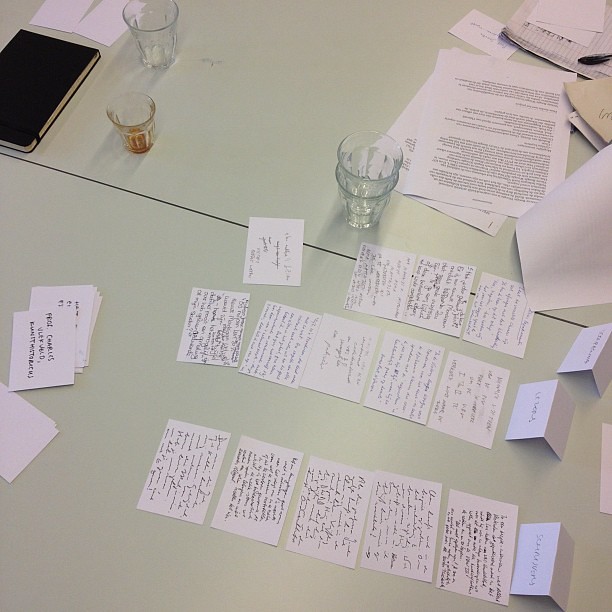
Sake playtest leftovers

Zoom­ing out a lit­tle, this is the lat­est in a series of projects in which inves­ti­gate what play can mean for ‘tra­di­tion­al’ cul­tur­al domains. Not by talk­ing about it, but by mak­ing some­thing. Before, we worked with Dario Fo on game opera Mega Mon­ster Bat­tle Are­na™ lat­er we col­lab­o­rat­ed with music and film fes­ti­vals for a series of game instal­la­tions for PLAY Pilots and now, with the Nether­lands’ old­est lit­er­ary mag­a­zine, Vic­to­ry Boo­gie Woo­gie, an exper­i­men­tal col­lab­o­ra­tive writ­ing game.

So please join us, if only to read what will unfold but hope­ful­ly to also par­tic­i­pate.

Thanks to the edi­tors at De Gids for reach­ing out to us, in par­tic­u­lar Dirk Vis but also Dirk van Weelden, Arjen Mul­der and Edzard Mik. Lies­beth Bened­er and Esther Wils for keep­ing us orga­nized. Rob­bert Wela­gen, Niels ‘t Hooft and Han van der Vegt for agree­ing to join the edi­to­r­i­al team on this crazy adven­ture. Joris Dor­mans for his won­der­ful machi­na­tions tool and his advice on how best to apply it. And final­ly my two col­lab­o­ra­tors on the game pro­duc­tion side, Alper Çugun and Simon Scheiber—always a plea­sure.

Posted in Projects | Tagged , , , | Comments closed

Week 188

Belat­ed wee­knotes! I blame the long East­er week­end, and the switch to day­light sav­ing time. Let’s keep it short shall we?

Alper spent most of the week hack­ing away at KAIGARA, which is shap­ing up nice­ly. He also put some fin­ish­ing touch­es on SAKE, which is going to kick off next week! Sign up for that if you haven’t yet and feel like some ludic col­lab­o­ra­tive writ­ing.

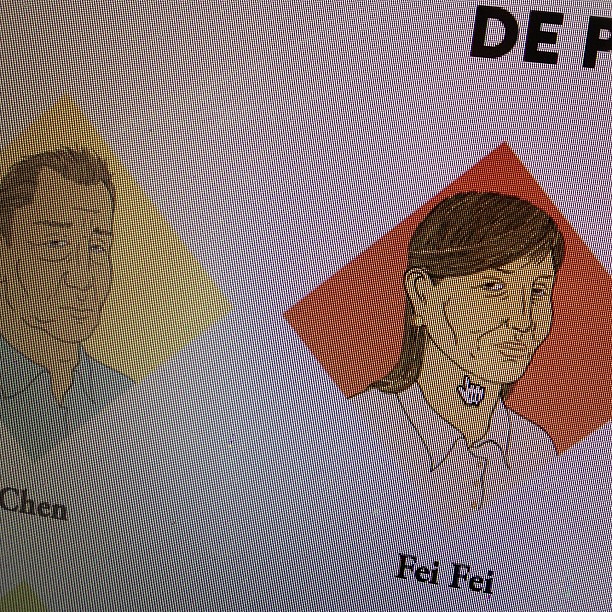
Really digging the Victory Boogie Woogie character portraits

The papers sub­mit­ted to the Design­ing Gam­i­fi­ca­tion work­shop at CHI 2013 have been pub­lished—includ­ing our own mod­est con­tri­bu­tion. Alper will be there to par­tic­i­pate in the dis­cus­sion on April 28. I hear he’s look­ing for­ward to it.

Myself, I have also been very busy jug­gling project man­ag­er and inter­ac­tion design duties on KAIGARA, with the occa­sion­al bit of game design thrown in the mix. I look for­ward to shar­ing our work on this, but that will have to wait until lat­er.

Some­how I did man­age to squeeze in a quick Recess! post on my love for boardgames and how I use them as design tools.

And with that it is back to work.

Posted in Weeknotes | Tagged , , , , , , | Comments closed

Week 187

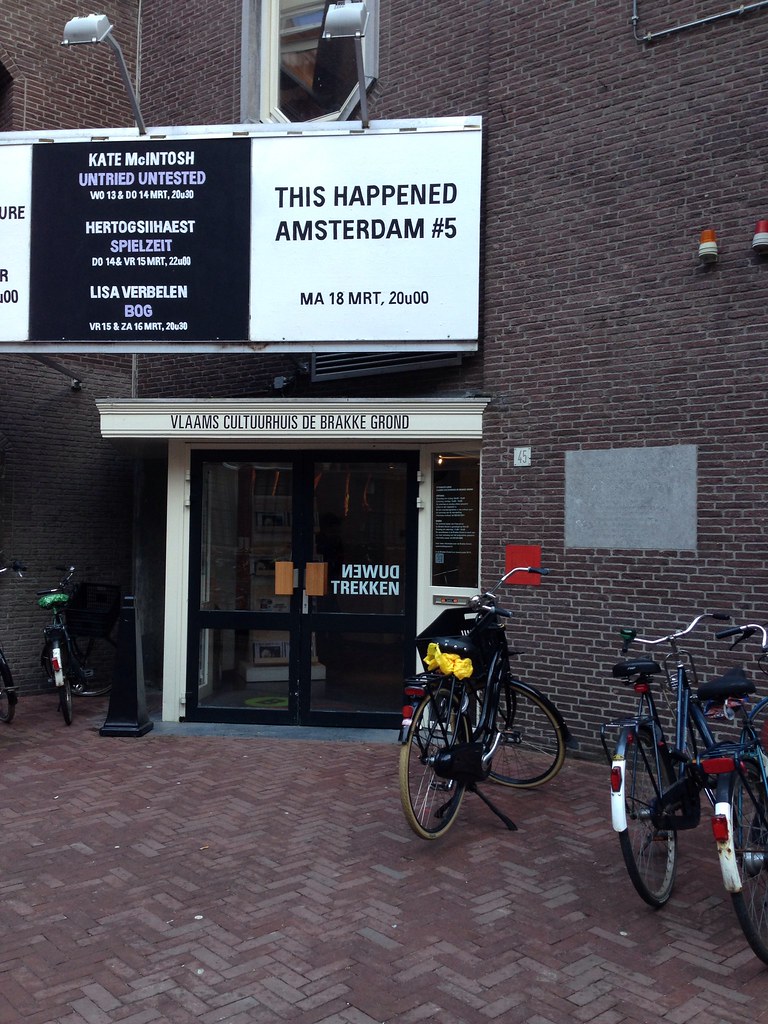
On Mon­day Kars pre­sent­ed the final HIRAME con­cept at the client. Aside from some minor tweaks need­ed on the brand­ing front it was received well. We’re hop­ing this will turn into a full-on pro­duc­tion project like KAIGARA next —at which point we’ll prob­a­bly be able to reveal its client— but for now we’ll have to be patient. After that he stormed on to Ams­ter­dam to attend the fifth This hap­pened – Ams­ter­dam.

Getting ready for This happened #5

The rest of the week was most­ly tak­en up by game and inter­ac­tion design sprints (Kars and Tim) for KAIGARA. The design is being final­ized as we speak so we can speed off the devel­op­ment run­way in a straight line. Also lots more project man­age­ment and tech prep work (Kars and me) and going into art (Bas­ti­aan) and writ­ing (Niels).

You may have seen it but we’re dot­ting the is and cross­ing the ts for Your Dai­ly Vic­to­ry Boo­gie, which we devel­oped with lit­er­ary mag­a­zine De Gids (their write-up in Dutch).

Stu­dio Papaver (who Kars advised) pre­sent­ed their work for the Stu­dio for Unso­licit­ed Archi­tec­ture at the New Insti­tute and they did great. They pre­sent­ed a sol­id analy­sis of pop­u­la­tion shrink­age, and their design for a col­lec­tive intel­li­gence game was backed up by tes­ti­mo­ni­als from a suc­cess­ful playtest and gnarly graph­ic design by Amp. Mean­while I attend­ed the local Cocoa­heads meet­up to keep in touch with peo­ple doing sol­id iOS work in Berlin.

In oth­er news: our friends over at Hide&Seek are doing a Kick­starter to devel­op their Tiny Games into an iPhone app. Kars will be design­ing a game for them, so you should def­i­nite­ly back it:

Video by Hide&Seek for their Tiny Games Kick­starter (2013), orig­i­nal­ly embed­ded from Kick­starter; this copy from their Vimeo.

The week­end was also dot­ted with work.

I spent Sat­ur­day morn­ing work­ing at the Wooga offices after help­ing out with the local Rails Girls. Most of the morn­ing I inves­ti­gat­ed open­Frame­works’ poten­tial as a game engine for iOS after hear­ing that Ridicu­lous Fish­ing was writ­ten in it.

But there was also time to play board games:

Getting slaughtered at Cuba by @liekedev

Posted in Weeknotes | Tagged , , , , , , , , , , , | Comments closed

Week 186

As is the nat­ur­al rhythm of things, we’ve been wrap­ping up a num­ber of projects last week, while oth­ers are pick­ing up steam.

On the wrap­ping-up front, I worked with Her­man on prepar­ing the slide deck for HIRAME’s final deliv­ery. We put in some sug­ges­tions for a visu­al style, a prop­er game title, a premise—that sort of thing. And also a first rough stab at a plan­ning and a bud­get.

I also had a final stu­dio ses­sion with Anne and Zineb of Stu­dio Papaver. Their pro­pos­al for a col­lec­tive intel­li­gence game aimed at gen­er­at­ing solu­tions for prob­lems relat­ed to pop­u­la­tion shrink­age is almost done. We dis­cussed some details of how the com­plete game process will be orga­nized and also did some back-of-a-nap­kin esti­mates for pro­duc­tion bud­gets. They’ll present their plans at the NAi on Thurs­day, March 21.

This was also a week in which all of a sud­den Pig Chase received atten­tion once more: First a deli­cious­ly long arti­cle at Wired UK was pub­lished about play­ing with ani­mals for which Clemens and I were inter­viewed and which also includes the won­der­ful work of Han­na Wirman on play­ing with orang­utans. Also an episode of De Wereld Leert Door—a Dutch talk show on science—wholly ded­i­cat­ed to the project for which Marin­ka was inter­viewed. And final­ly the open­ing of Yes Nat­u­ral­ly, an exhi­bi­tion on the con­tem­po­rary nature of the nat­ur­al, which includes Pig Chase along­side work from Natal­ie Jere­mi­jenko, Tin­ke­bell and Ai Wei­wei, amongst oth­ers. The project has been dor­mant while we look for new funds, but it’s great to see it con­tin­ues to be rel­e­vant to peo­ple.

Alper—who joined us in NL from Wednes­day onwards—provided FURAP­PA’s client with a sneak pre­view of the ideas we’d cooked up for them and got some encour­ag­ing respons­es. So it’s on to clean­ing up the slide deck and trav­el­ing to their HQ for a final pre­sen­ta­tion to their team, soon.

I talked to Dirk Jr. on Tues­day about the final improve­ments that need to be made before Vic­to­ry Boo­gie Woo­gie (code­name SAKE) can launch. And on Fri­day, Simon came over to the stu­dio for a full day of work on those points, tempt­ed by the phys­i­cal pres­ence of Alper and the promise of a FRIDAYS AT 7 to cel­e­brate our recent achieve­ments. Speak­ing of Vic­to­ry Boo­gie Woo­gie: we’re launch­ing April 8. If you feel like join­ing in be sure to sign up at the pre-launch page.

In the spir­it of kaizen we also pushed some small improve­ments to the run­ning game of Code 4, which is in its sec­ond week and from what we hear play­ers are going crazy with it (in a good way).

On Thurs­day we worked from Top­i­ka’s stu­dio at the Open Coop so that Alper could catch up with his col­leagues at the Open State Foun­da­tion and I could catch up with Anne at EYE and Frank at Frog. Being at Open Coop is always a plea­sure, if only because of the won­der­ful lunch­es served by Bite Me.

But the major­i­ty of our time was tak­en up by KAIGARA—although from read­ing this it might not appear that way. I had my project man­ag­er hat on for most of the time—doing plan­ning, bud­get, get­ting Tim (our game design­er) and Bas­ti­aan (our graph­ic design­er) up to speed. And for the remain­der I focused on start­ing to detail the game’s inter­ac­tion design. Mean­while Alper assem­bled the required host­ing envi­ron­ment and built and deployed a first very bare-bones ver­sion of the web app for tech­ni­cal review pur­pos­es. All of which has giv­en us a good posi­tion from which to real­ly push for­ward the com­ing weeks.

Posted in Weeknotes | Tagged , , , , , , , , , , , , , , , , , | Comments closed