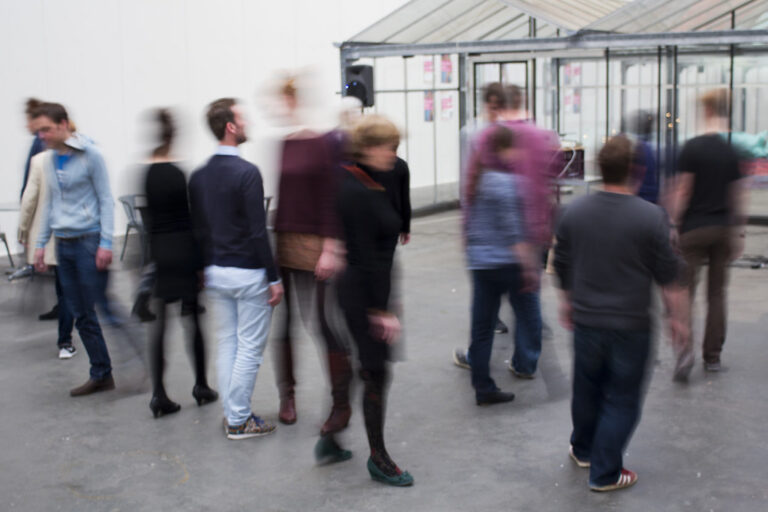
Hubbub has gone into hibernation.

Week 257

I’m writ­ing this note (and will be writ­ing the next as well) because as we speak Kars is on a well-deserved hol­i­day in Indone­sia. He spent most of last week work­ing on Cam­parc final­iz­ing the design doc­u­ment with Aldo among a slew of oth­er relat­ed things.

Full house for the TI final

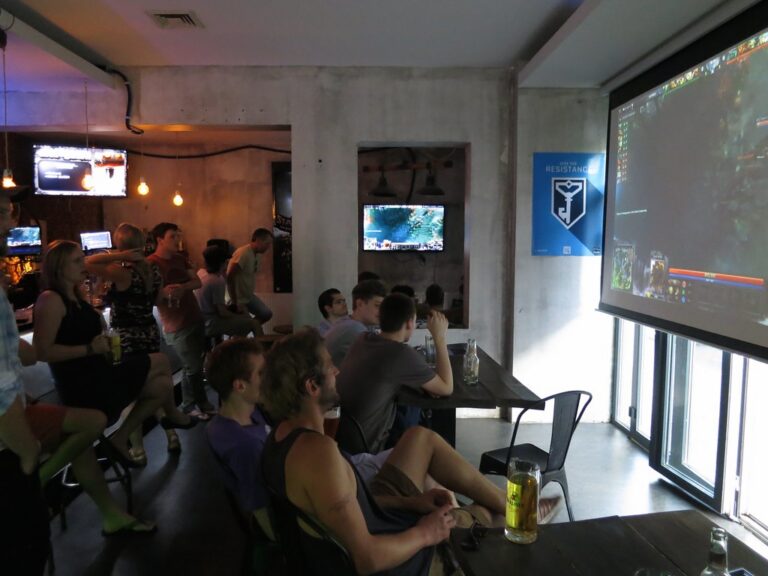
Mon­day evening I took inter­est­ed friends to the Melt­down esports bar to watch The Inter­na­tion­al finale event. The place was packed and did not have any air­con­di­tion­ing which made it good (for us) that the best of five was over quick­ly.

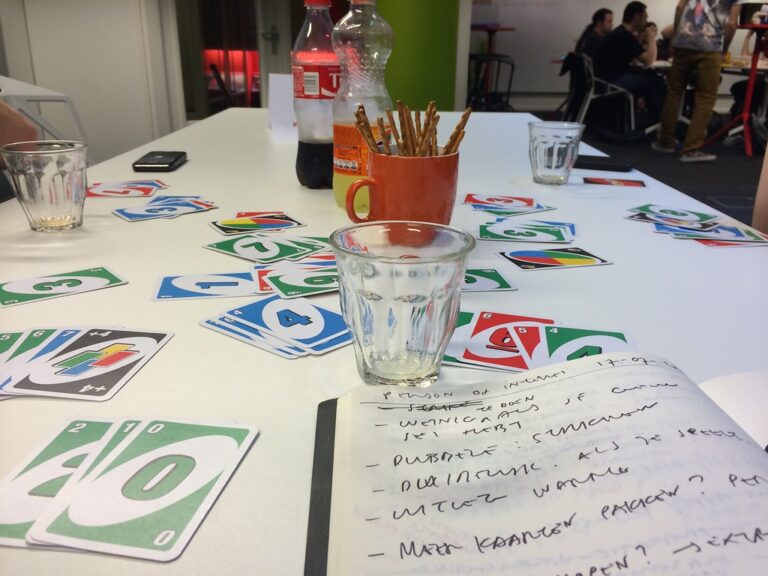
We con­tin­ued work on Stand­ing whose new design release is shap­ing up nice­ly. We had an update call on KEGANI to see what issues remain open and how to move for­ward. We are look­ing for­ward to pub­lish­ing a pol­ished and top­i­cal card game. Dur­ing the small ses­sions that we’ve test­ed it we have been met with a lot of inter­est.

Sales efforts con­tin­ued apace with us prepar­ing upcom­ing con­sult­ing. We are also look­ing to fund a new project based on open­ing up sur­veil­lance as a sub­stance to be played with. Also one of our con­cepts has been includ­ed in the bid book for Var­na Euro­pean Cap­i­tal of Cul­ture 2019.

I dropped by the Berlin UX Cock­tail Hours for some catch­ing up with local design­ers. Rena­to Valdés, founder of fit­ness app Human vis­it­ed our Berlin stu­dio for cof­fee and ramen. Kars chat­ted with Mapi­je and with some peo­ple from the Uni­ver­sità del­la Svizzera ital­iana. At the end of the week we both gave an inter­view to Mar­ri­je Schaake and Maaike de Laat from Achter het Scherm who pro­file Dutch dig­i­tal mak­ers and doc­u­ment the process­es they use.

Posted in Weeknotes | Tagged , , , , , , , , , , , , , , , , , , , | Comments closed

Announcing Camparc – a public space game for STRP

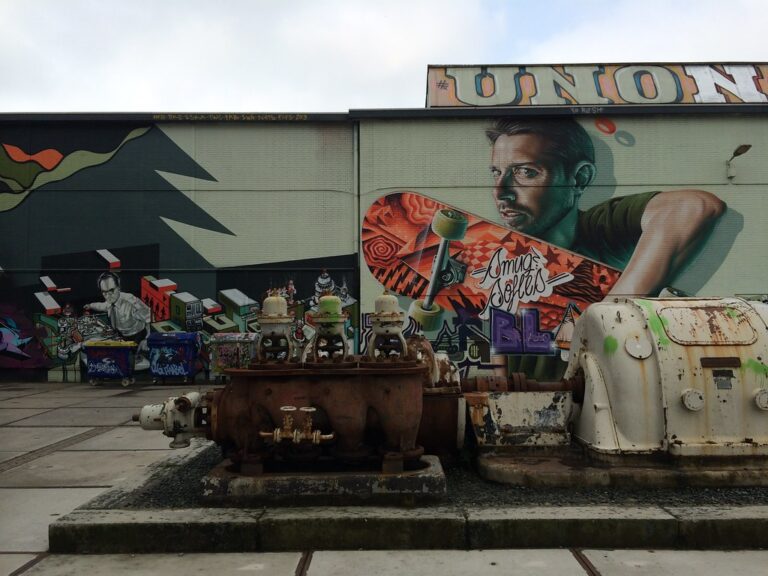
Over the course of the next two months we will be cre­at­ing a new pub­lic space game com­mis­sioned by art and tech­nol­o­gy fes­ti­val STRP. The game car­ries the work­ing title Cam­parc and Hub­bub code­name FUNKOROGASHI. It will be playable Sep­tem­ber 12–14 at Strijp‑S—a Philips indus­tri­al site con­vert­ed into city neigh­bour­hood. Read on below for a sneak pre­view of what we have planned. STRP have also post­ed an announce­ment in Dutch.

Strijp-S overview

Cam­parc con­sists of large-scale, con­nect­ed objects with built-in cam­eras. Play­ers can freely move these “cam­era toys” around Strijp‑S, using its streets, squares and fur­ni­ture as a play­ing field, obsta­cle course or race track. Mean­while, the toys will cap­ture the play­ers and the space and show the footage back to them on screens placed in the same space. Besides free play, we will also sug­gest games to play using the toys, described in sim­ple writ­ten rule­sets placed at strate­gic spots in the game’s area.

The project is inspired by Kata­mari, goal line tech­nol­o­gy, new games earth balls, cam­era sur­veil­lance, self­ie poles, panoram­ic cam­era balls, skate­board­ing and Park­our. We hope it will pro­duce an eye-catch­ing, fun and inclu­sive expe­ri­ence which invites play­ers to reflect on new ways of tech-aid­ed look­ing and map­ping.

Camparc moodboard

We have invit­ed Aldo Hoeben to join us for this project. Aldo is a ver­i­ta­ble wiz­ard when it comes to instal­la­tions involv­ing pho­tog­ra­phy and video. Keep an eye on our wee­knotes to fol­low the game’s devel­op­ment in the com­ing weeks and mark your calendars—we’d love to have you over to play.

Posted in Announcements, Projects | Tagged , , , , , , , , , , , | Comments closed

Week 256

Last week I trav­eled to Utrecht to do some main­te­nance work on an old project. I took the oppor­tu­ni­ty to work at our Utrecht office and check out the Vecht­club XL’s new cafe De Klub. I am severe­ly impressed how the venue is shap­ing up to become Utrecht’s num­ber one des­ti­na­tion. Anoth­er old project that saw some work—summer time being main­te­nance time—was Beesten­bende for which we shipped a new release.

The big event for the week was clos­ing FUNKOROGASHI and kick­ing off devel­op­ment for it in rapid suc­ces­sion. This is going to be an instal­la­tion game for STRP fes­ti­val which we’ll be post­ing more on this week.

Playtesting KEGANI at Dutch Game Garden

Kars and I playtest­ed KEGANI which is shap­ing up nice­ly. It’s a fast paced card game with a seri­ous pay­load. Kars then also test­ed it at the Sub­cul­tures game night at the Dutch Game Gar­den. We talked a bit more about stu­dio strat­e­gy and how that is influ­enced by the realign of a cou­ple of weeks ago. That dis­cus­sion helped us to fur­ther pol­ish our tagline to “design stu­dio for play­ful prod­ucts” which we think is con­cise and cov­ers every­thing.

TI

I trav­eled back to Berlin on Thurs­day evening and did some remain­dered sales work on Fri­day before head­ing to our local esports cafe Melt­down to watch the open­ing games of The Inter­na­tion­al. I’m a big fan of Cloud9 who unfor­tu­nate­ly have been knocked out of the tour­na­ment as I’m writ­ing this.

Posted in Weeknotes | Tagged , , , , , , , , , , , , , , , , , | Comments closed

Week 255

This week start­ed on a high note with the open­ing of restau­rant De Klub at Vecht­club XL—the cre­ative work­space in which our Utrecht stu­dio is locat­ed. It is a love­ly space serv­ing good food and drink (includ­ing fine cof­fees) but most impor­tant­ly a great place for serendip­i­tous encoun­ters with oth­er Vecht­club res­i­dents and peo­ple from out­side of the build­ing.

De Klub opening day

Much of my atten­tion was ded­i­cat­ed to get­ting project FUNKOROGASHI set up. On Mon­day I adjust­ed the pro­pos­al we had sent out ear­li­er with a new con­cept Alper and I had come up with in Berlin the pre­vi­ous week. On Thurs­day I head­ed over to Eind­hoven for a meet­ing with the client. We dis­cussed and adjust­ed the con­cept, then went out for a tour of Strijp‑S which will be the site of the project. When I got back I imme­di­ate­ly banged out a third iter­a­tion of the pro­pos­al and sent it out, ready for sign­ing.

Exploring Strijp-S Eindhoven

Mean­while Alper went hunt­ing for a rather elu­sive Beesten­bende bug. With help from the mighty Chris Eid­hof he even­tu­al­ly man­aged to locate and fix it.

We were also pleased to sign a con­tract for a new project with KLM which we’ve code­named KUMA. It’s con­cept devel­op­ment, which includes work­shops and stu­dio work, aimed at pro­vid­ing insight into the pos­si­bil­i­ties of game-based learn­ing for a par­tic­u­lar appli­ca­tion domain. This will kick off next month and we are very much look­ing for­ward to it.

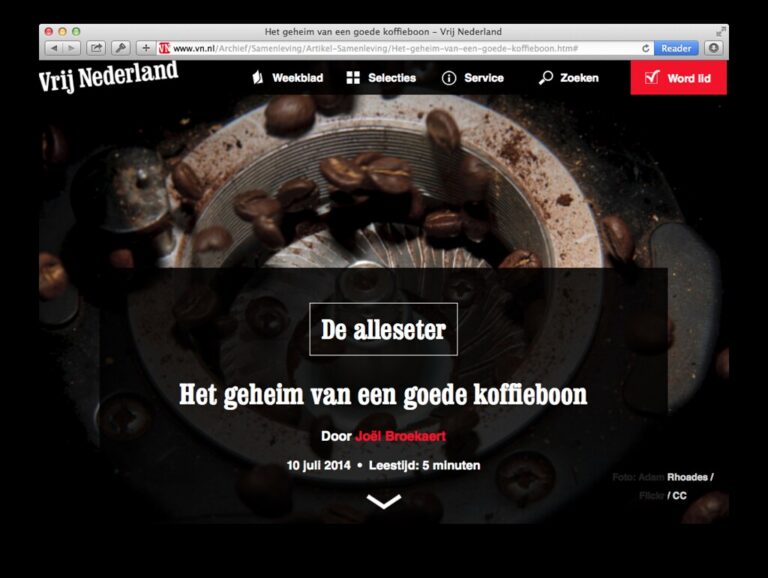
Dutch news week­ly Vrij Ned­er­land pub­lished a piece on cof­fee and was kind enough to include a link Cup­pings—our super sim­ple app for find­ing great cof­fee near you. This imme­di­ate­ly pro­pelled it into the app store charts again.

Cuppings mention in Vrij Nederland

I final­ly found the time to write up and pub­lish the talk I gave some time ago at a Behav­ior Design Ams­ter­dam meet­up. It’s an attempt to describe an alter­na­tive approach to design for behav­iour change which puts peo­ple first and strives to increase in stead of dimin­ish their agency.

Through­out the week we had numer­ous meet­ings. Alper wel­comed a group of stu­dents from Belarus to the stu­dio who were on an out­ing organ­ised by the Hein­rich Böll Foun­da­tion. He also enter­tained friends-of-the-stu­dio Ernst-Jan Pfauth and Jus­tus Bruns. I met with cura­tor Ine Gev­ers to dis­cuss games and art, vis­it­ed our friends Per­cep­tor at their the Hague stu­dio and talked inter­ac­tion design edu­ca­tion with Vik­tor Wij­nen who has just become head of the game and inter­ac­tion design pro­gram at the Utrecht School of the Arts, my alma mater.

We also vis­it­ed a Utrecht escape room and once again failed to solve it in time. I did how­ev­er man­age to nail one whole puz­zle, large­ly thanks to its visu­al nature.

The week end­ed for me with a very wel­come month­ly Bier­club (“beer club”) in the sun at De Klub. Over the week­end I watched a few games of Dota 2 at The Inter­na­tion­al and Smash Bros and Street Fight­er at EVO. Mean­while in Berlin, Alper tells me he caught up on email.

Posted in Weeknotes | Tagged , , , , , , , , , , , , , , , , , , , , , , , , , , , | Comments closed

Five Behaviour Design Principles You Never Suspected Would Work

A while ago, I was invit­ed by friend-of-the-stu­dio Iskan­der Smit to speak at a Behav­ior Design Ams­ter­dam meet­up. Much of our work is relat­ed to behav­iour change, but we try to steer clear of the reduc­tion­ist think­ing that is quite preva­lent in the field. So I decid­ed to use the oppor­tu­ni­ty of pre­sent­ing to a room full of pro­fes­sion­al “behav­iour design­ers” to try and desta­bilise some of those ideas. What fol­lows is a sum­ma­ry of what I talked about, plus a sec­tion I had to skip due to time con­straints.

Aerobie

As a first provo­ca­tion I showed this joy­ful image of a girl throw­ing an aer­o­bie. It is con­sid­ered the best fris­bee ever. Its inven­tor is Alan Adler who would lat­er go on to cre­ate the awe­some aero­press cof­fee mak­er. To me, this is a superb exam­ple of the kind of behav­iour design I think we should aspire to. Some­thing that makes us more human, not less so.

Girl throwing aerobie

COM‑B system

Around the end of 2013 and the begin­ning of 2014 we were involved with a project in the health­care field. We cre­at­ed con­cepts for prod­ucts that would help peo­ple lead health­i­er lives. Sad­ly that work is all under NDA so we can’t get into specifics. But I can share some use­ful the­o­ry we were intro­duced to, and a play­ful design tac­tic we employed.

The COM‑B sys­tem which is described in an open-access jour­nal arti­cle offers a coher­ent and com­pre­hen­sive way of think­ing about how to affect behav­iour through var­i­ous kinds of inter­ven­tions.

In this project we used the sys­tem to help us eval­u­ate our designs for poten­tial effec­tive­ness. It can also be super use­ful for con­strain­ing your design space before­hand.

Article describing COM-B system

How­ev­er, it did not help us with invent­ing inter­ven­tions that would be inter­est­ing to engage in from an indi­vid­ual per­son­’s per­spec­tive. To be fair, this isn’t the goal of the COM‑B sys­tem. But it was some­thing we ran into in this “behav­iour design” project. The ten­den­cy to cre­ate a sys­tem that goes about dri­ving behav­iour in a pure­ly instru­men­tal way is hard to fight.

We designed our way out of this by using a tac­tic that I think might be of use to oth­ers as well. For a while, we found our­selves painstak­ing­ly try­ing to remove all sources of fric­tion from the prod­uct. In doing so we also removed many oppor­tu­ni­ties for sur­prise, delight and expres­sion.

So in the end we went back and actu­al­ly made those sources of fric­tion things for users to deal with, in a play­ful way. We used this play­ful­ness to frame the activ­i­ties we would like peo­ple to engage in. As a result they became fun to do, in stead of a chore.

“Fun is only fun when it is stupid”

So there is a ten­sion in design­ing for behav­iour change between instru­men­tal ratio­nal­i­ty and play­ful­ness. It is cap­tured in a won­der­ful way in a sto­ry that Dave Eggers tells about a vis­it to the Mohe­gan Sun casi­no in Con­necti­cut. He goes there to see 70s revival band Star­ship play live. A friend of his has joined the band for the occa­sion and they’re being very snob­by and iron­ic about it.

But at the end of the night to his own sur­prise Eggers finds him­self singing and danc­ing to the music along with the rest of the audi­ence. “Fun is only fun when it is stu­pid,” he writes and I think this is almost always true. There might be cer­tain kinds of fun which aren’t com­plete­ly stu­pid, but I think we have to acknowl­edge that there is some­thing deeply irra­tional about all sources of human enjoy­ment. As design­ers we ignore this irra­tional­i­ty at our own per­il.

Starship performing

Yellow Claw

As a fur­ther exam­ple of this ten­sion I con­trast­ed an Apple ad that I spot­ted in the New York­er with a video by Dutch trap music pro­duc­tion out­fit Yel­low Claw.

The ad, which is part of the Your Verse cam­paign, shows sumo wrestlers using an ipad to analyse their move­ments. So tech­nol­o­gy is used to make a very messy human pur­suit leg­i­ble, mea­sur­able and quan­tifi­able. This is how Apple mar­kets their tools.

Apple Your Verse sumo wrestlers ad in New Yorker

The music video is for a song titled Kroko­bil which is a weird pun on the Dutch words for croc­o­dile and but­tocks. A kroko­bil is a cro­cobutt. I’ll leave the lyrics of the rest of the song to your imag­i­na­tion. In short, this is stu­pid fun in the Eggers sense of the word. But here’s the rub: Kroko­bil is made with the same kind of tools Apple mar­kets as machines for mak­ing the immea­sur­able mea­sur­able, the very oppo­site of stu­pid fun.

“If you can measure it, then it’s not the change I want to see”

It’s not just a mat­ter of acknowl­edg­ing the human desire for irra­tional plea­sure. Con­tem­po­rary cap­i­tal­ism is in love, or per­haps more accu­rate­ly in lust, with gam­i­fi­ca­tion. Mea­sur­ing the immea­sur­able as gam­i­fi­ca­tion does is the first step towards com­mod­i­fi­ca­tion. Today’s tech indus­try priv­i­leges instru­men­tal ratio­nal­i­ty over oth­er modes of human think­ing and doing. This approach favours prop­a­gat­ing exist­ing insti­tu­tions over (re)inventing new ones.

So in the cas­es when we want to trans­form things con­nect­ed to the sta­tus quo, we should also trans­form the prac­tice of how we deter­mine change. All of this and more is pas­sion­ate­ly argued for by Pao­lo Ped­erci­ni at Indiecade East 2014.

Tweet by Bogost quoting Pedercini at Indiecade East 2014

Communities of play

As Ped­erci­ni points out, com­put­ing tech­nol­o­gy is great at count­ing things. This is fine and use­ful in many cas­es. But this does not mean we should always count things, or try to make every­thing count­able. The ques­tion is: How do we allow for less ratio­nal and arguably more human ways of act­ing with­in the con­text of tech­no­log­i­cal or com­pu­ta­tion­al sys­tems?

Breeze

One way sug­gest­ed by Ped­erci­ni is to push parts of a sys­tem’s rules out­side of the soft­ware and into the social phys­i­cal space of peo­ple using it. This is a tac­tic we have employed our­selves as well.

A great exam­ple would be the “no-graph­ics dig­i­tal­ly-enabled play­ground game” Johann Sebas­t­ian Joust. It uses tech­nol­o­gy, but a large part of the game is social­ly nego­ti­at­ed. Dou­glas Wil­son, the game’s design­er, calls this “deputis­ing play­ers”.

Johann Sebastian Joust

Our game Beesten­bende has sim­i­lar char­ac­ter­is­tics. We use an app as a game mas­ter of sorts, but it is the play­ers who we depend on for uphold­ing the rules.

Beestenbende

These kinds of games, and prod­ucts that share their depen­dence on social nego­ti­a­tion, are more mal­leable by the groups of peo­ple using them. This is sim­i­lar to what Bernie DeKoven describes in The Well-Played Game. He talks about com­mu­ni­ties of play and how the abil­i­ty to joint­ly change the rules of any game they are play­ing is super impor­tant for its con­tin­ued exis­tence. From this per­spec­tive play­ers are always more impor­tant than any par­tic­u­lar game. Extend­ing this to the sub­ject of this talk: Peo­ple are always more impor­tant than any par­tic­u­lar per­sua­sive prod­uct.

People playing with earth ball at New Games event

Adding degrees of freedom

Anoth­er tac­tic is sug­gest­ed by David Kana­ga in a response to Eric Zim­mer­man’s ludic cen­tu­ry man­i­festo. At one point Kana­ga pro­pos­es an alter­na­tive to tra­di­tion­al gam­i­fi­ca­tion, which he calls “soft gam­i­fi­ca­tion”. It is aimed at increas­ing pos­si­bil­i­ty spaces as a opposed to mak­ing things mea­sur­able and decreas­ing uncer­tain­ty.

“Soft gam­i­fi­ca­tion solves no quan­tifi­able prob­lems; instead, it pos­es ques­tions. It mere­ly takes an activity/situation, and ADDS DEGREES OF FREEDOM such that it is more mal­leable (more PLAYED, more of a game).”

Kana­ga dis­cuss­es the same idea in a dif­fer­ent way in a talk at GDC 2014 which is every bit as bril­liant as the afore­men­tioned ludic cen­tu­ry post. Using music the­o­ry as a lens for under­stand­ing games, at one point he intro­duces flux dog­ma: “allow all con­stants to become vari­ables”.

Tweet by Heather Kelley quoting David Kanaga at GDC 2014

Flux dog­ma is best explained through exam­ples. Kana­ga him­self is fond of using Infi­nite Sketch­pad. In this case, the con­stant that is the tra­di­tion­al draw­ing can­vas is made vari­able.

Playing with Infinite Sketchpad

A less obvi­ous exam­ple is Pro­teus, for which Kana­ga cre­at­ed all the sound and music. In this “wildlife sim­u­la­tor” the play­er roams a pro­ce­du­ral­ly gen­er­at­ed island. Every piece of scenery she encoun­ters has sound attached to it, in a non-bina­ry way. Mean­while with the pas­sage of time the island con­tin­u­ous­ly changes. There is a day/night cycle and a pass­ing of sea­sons. Kana­ga offers “shift­ing pos­si­bil­i­ty space” as a def­i­n­i­tion of what a game is. Pro­teus ful­ly embod­ies this.

Proteus

This idea of adding degrees of free­dom con­nects to Ped­ercini’s resis­tance to mea­sur­able change as a way of insti­tu­tion­al reform. Behav­iour design often hap­pens at the indi­vid­ual lev­el. But true change also requires inter­ven­tion at high­er lev­els of abstrac­tion. It is here that adding degrees of free­dom is of most impor­tance.

Two fur­ther exam­ples of shift­ing pos­si­bil­i­ty spaces, before I con­clude with a note on ethics.

Open-endedness

When we made Vic­to­ry Boo­gie Woo­gie, we took on the chal­lenge of con­nect­ing lit­er­a­ture with play­ful­ness and end­ed up with some­thing like a play­ground for writ­ing.

For this we were huge­ly inspired by the prac­tice of table­top role­play­ing games and sto­ry­telling games. A great exam­ple would be Fias­co, which enables a group of play­ers with­in the times­pan of one evening to tell a Coen broth­ers-esque tale of small-time crim­i­nals meet­ing unfor­tu­nate fates.

Sto­rygames like Fias­co sup­port a gen­er­ous form of play. Play that is non-instru­men­tal. The rules are there to sup­port the play­ers and not the oth­er way around.

Shift­ing pos­si­bil­i­ty spaces like Fias­co, Vic­to­ry Boo­gie Woo­gie, Pro­teus, Infi­nite Sketch­pad, Beesten­bende and Joust enable a dif­fer­ent kind of change. One that is not eas­i­ly mea­sured by virtue of being social­ly nego­ti­at­ed. One that adds degrees of free­dom in stead of reduc­ing uncer­tain­ty. These qual­i­ties sup­port a more eth­i­cal way of using tech­nol­o­gy for behav­iour change. Final­ly, they start from an under­stand­ing that many sources of enjoy­ment are fun­da­men­tal­ly irra­tional.

Ethics

Ethics is a major con­cern of mine when it comes to what I see going on in the behav­iour design field. Most often, the ques­tion of ethics is reduced to this: Behav­iour design­ers should use their awe­some pow­ers for good. The issue I have with this is that it pre­sup­pos­es per­fect trans­la­tion of a design­er’s intent into a prod­uct, and from the prod­uct into a user’s behav­iour. It should be obvi­ous that this is a whol­ly unre­al­is­tic depic­tion of how tech cul­ture actu­al­ly is con­struct­ed, deployed and used.

In stead of lim­it­ing ethics to a ques­tion of design­er intent, behav­iour design­ers who are con­cerned with ethics should take their audi­ence seri­ous­ly and allow for them to be full par­tic­i­pants in the shap­ing of a sys­tem’s work­ings. I would argue that a prod­uct that does not allow for the kind of user appro­pri­a­tion that I have been describ­ing so far is inher­ent­ly uneth­i­cal.

This posi­tion is huge­ly inspired by Miguel Sicart’s arti­cle Against Pro­ce­du­ral­i­ty which ques­tions the fetishi­sa­tion of sys­tems in the games indus­try. It is about games, but I would argue it equal­ly applies to any tech­no­log­i­cal prod­uct. By way of expla­na­tion I’ll offer two short quotes:

“With­out the play­er there are no ethics or pol­i­tics, no val­ues and no mes­sages. Objects can have embed­ded val­ues, tech­nol­o­gy can be polit­i­cal, but only inas­much as there is a human who makes the pol­i­tics.”

“Against pro­ce­du­ral­i­ty an army of play­ers stand and play, break­ing the rules, mis­un­der­stand­ing the process­es, appro­pri­at­ing the spaces of play and tak­ing them some­where else, where not even the design­er can reach.”

Pig Chase

As an exam­ple of how this could work, I will point to the game Pig Chase, which we designed and devel­oped togeth­er with the Utrecht School of the Arts and Wagenin­gen Uni­ver­si­ty. It is a game peo­ple play togeth­er with pigs. Humans get an iPad app, pigs get a cus­tom dis­play which responds to their touch in their pen. They are invit­ed to coor­di­nate their move­ments and “dance” along a sequence of goals which trig­gers colour­ful fire­works.

Pig Chase is about how we as humans relate to these ani­mals, but there is a lot of ambi­gu­i­ty built into the design. There is no clear mes­sage we are push­ing. In stead, we allow humans and pigs to play togeth­er and in the process come to their own con­clu­sions about the top­ics such as pig farm­ing, meat con­sump­tion and ani­mal intel­li­gence. It is a great exam­ple of adding degrees of free­dom, and it is also a good exam­ple of allow­ing for social­ly nego­ti­at­ed play (in this case across species).

Pig Chase

The scientist and the mouse

One of my favourite takes on how games work their spe­cial kind of mag­ic is from Frank Lantz:

“Games are Skin­ner box­es in which you are both the sci­en­tist and the mouse. You pre­tend to care, and then you get to expe­ri­ence what it means to care, only at one remove, like, with a clip­board.”

It is this dou­ble loop of action and reflec­tion hap­pen­ing at the same time which I think is also vital for a kind of prod­uct for behav­iour change which does not just prop­a­gate exist­ing states of affairs, but also invents new ones and trans­forms exist­ing ones.

To do this, we need to always remind our­selves of the irra­tional side of human behav­iour. To strive to make room for it, in stead of reduc­ing it. So I’ll end sim­i­lar to how I start­ed. Like the aer­o­bie, the game Ani­mal Upon Ani­mal is an exam­ple of the kind of behav­iour design that inspires me. I would invite you to play it and study it. And the next time when you sit down to design a behav­iour change prod­uct, think back to it. Can you cre­ate an expe­ri­ence that is equal­ly social, dynam­ic and open to change?

Girl playing Animal Upon Animal

I col­lect­ed links to most of the arti­cles and projects ref­er­enced in this talk at my blog.

Posted in Featured, Talks | Tagged , , , , , , , , , , , , , , , , , , , , , , , , , , , , , , , , , , , , , , | Comments closed

Week 254

Last week was trav­el heavy for both of us but Kars join­ing me here in Berlin on Tues­day (after I got back from Barcelona on Mon­day) meant we could get things done that required our com­bined pres­ence.

Most impor­tant­ly we did our sec­ond quar­ter OKR review. The OKR results were infor­ma­tive and moti­vat­ed us to take things a step fur­ther. Q2 has seen us get­ting a huge amount of press and pub­lic­i­ty for the things we have done (you can read that back in the wee­knotes) and the ques­tion we asked our­selves is how to best put that atten­tion to use.

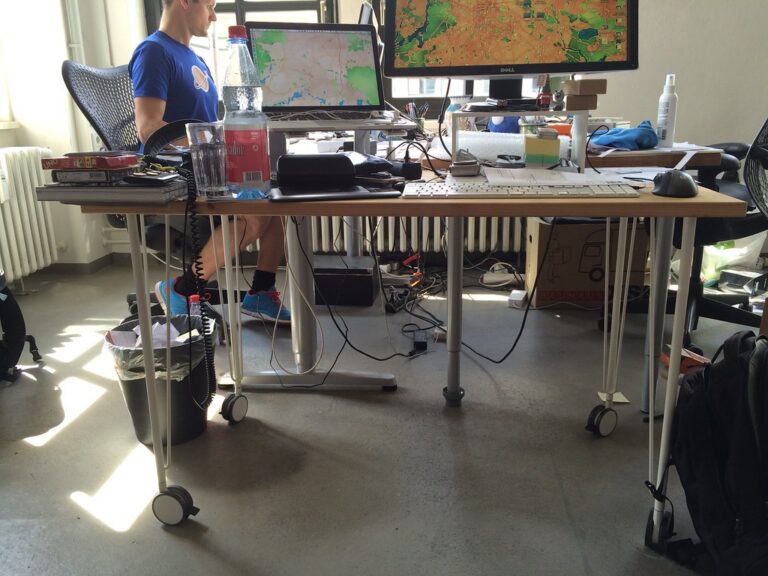
Peter and Alper's messy desk

The OKR review also helped guide a long over­due rewrite of Hub­bub’s offer­ing. We are pleased to say that we are now a stu­dio that does ‘dig­i­tal prod­uct design for a play­ful world’. We adjust­ed most of the copy on the web­site and wrote a blog­post about the new direc­tion in an after­noon.

I post­ed a piece to Medi­um that is tan­gen­tial­ly relat­ed con­cern­ing design­ing based on user wants. Wants these days are indis­tin­guish­able from needs any­way. I got some nice feed­back on that piece and the expe­ri­ence of writ­ing on Medi­um is smooth (though also sim­i­lar to cur­rent stu­dio favorite Quip). We have some more writ­ing forth­com­ing in this vein that chal­lenges the sta­tus quo in prod­uct and ser­vice design.

The pro­pos­als we have on deck are mov­ing for­ward with one pend­ing for a fes­ti­val which promis­es to be a lot of fun and should go into pro­duc­tion soon. The oth­er ones are mov­ing for­ward with some con­clud­ing and oth­ers being pushed back while await­ing a round of fund­ing.

We are also con­tin­u­ing work­ing on our card game KEGANI with Sub­alekha Udayasankar and we are at the point where it can be tweaked end­less­ly. That means that the game is fun already but that there is still a lot of work left to be done.

Posted in Weeknotes | Tagged , , , , , , , , , | Comments closed

A new direction for the studio

"Everything is play(able)"

Today we’ve updat­ed our front page and about page to reflect a new direc­tion for the stu­dio: dig­i­tal prod­uct design for a play­ful world.

The way we see it, play­ful­ness has become an impor­tant qual­i­ty for a wide range of prod­ucts. It invites peo­ple into an expe­ri­ence, enables them to con­nect to oth­ers and express them­selves, and offers a way for them to under­stand the world.

The things we find our­selves work­ing on nowa­days aren’t nec­es­sar­i­ly “games” in the strict sense of the word. We have a very relaxed atti­tude about what games are and have always pushed the bound­aries of the form in both our applied and free work. But although the group of peo­ple who share our views has grown, the real­i­ty is that for many peo­ple still, a game is a very spe­cif­ic cat­e­go­ry of media prod­uct. And so when they are intro­duced to Hub­bub as a game design stu­dio, they aren’t always able to imag­ine how we might help them with invent­ing and build­ing oth­er types of prod­ucts that are play­ful and engag­ing.

So we’ve decid­ed to bid the label of games and game design farewell and instead frame our work in the more gen­er­al terms of prod­ucts and design while retain­ing the notion of play­ful­ness. In doing so, we hope to invite a wider range of clients and col­lab­o­ra­tors to work with us on new and excit­ing things.

Of course, this does not mean we are no longer inter­est­ed in games and game-like projects. We are proud of the body of work we have built up over the years. The games will stay in our port­fo­lio and in fact we are work­ing on a few new ones right now. We hope to con­tin­ue to do so, while at the same time expand­ing our range into more things sim­i­lar to Cup­pings, Stand­ing and so on. Things that aren’t recog­nis­able as games per se but that are in fact deeply play­ful in var­i­ous ways.

As we get set­tled on this new direc­tion, you can expect more changes in the com­ing peri­od. And of course we’d love to hear your thoughts. So as ever, do get in touch.

Posted in Announcements | Tagged , , , , , , | Comments closed

Week 253

We kicked off the week with a review of the lat­est sprint on Stand­ing. The app now has a com­plete­ly new look. Aside from a few final tweaks we deemed it ready to ship. For the next sprint we decid­ed to focus on get­ting the web site aligned with the new look.

That same day I pre­pared and deliv­ered a This hap­pened talk on Rip­ple Effect. It was fun to dig through the archives and col­lect arte­facts from the game’s pro­duc­tion. Many of the pro­jec­t’s team were present and after­wards we agreed it had been one hell of a ride.

On Tues­day I head­ed to Free­dom­Lab in Ams­ter­dam for a closed work­shop with Eric Gor­don on what he calls “engage­ment games”. The Mobile City had col­lect­ed a diverse group of thinkers and mak­ers and it was a plea­sure to spend the bet­ter part of a day reflect­ing on issues that have been part of our work ever since Hub­bub start­ed.

Alper left for Barcelona on Wednes­day, from where he would spend the remain­der of the week doing main­te­nance work and sam­pling the city’s many delights.

On Thurs­day, I vis­it­ed TU Delft on invi­ta­tion of Ianus to attend the final pre­sen­ta­tions of a group of BA indus­tri­al design stu­dents who had cre­at­ed phys­i­cal games and toys for Id‑8. Many designs fea­tured inno­v­a­tive use of mech­a­nisms or mate­ri­als while remain­ing sim­ple and afford­able to pro­duce.

The week end­ed for me with anoth­er playtest of KEGANI, this time at the Dutch Game Gar­den, with a cou­ple of sea­soned game pro­fes­sion­als. Alper had done a test ear­li­er in the week with his new­ly mint­ed “game design­ers anony­mous” meet­up group. This sec­ond iter­a­tion was an improve­ment over the first and the idea is still received with great enthu­si­asm. Nonethe­less, based on the test out­comes I would say we have our work cut out for us; many dif­fer­ent direc­tions appear equal­ly promis­ing from here on out.

A final note on logis­tics: Kars will be in Berlin work­ing from our Kreuzberg stu­dio togeth­er with Alper.

Posted in Weeknotes | Tagged , , , , , , , , , , , , , | Comments closed

Week 252

Last week we were again in lots of talks with peo­ple for poten­tial future projects. We are get­ting a lot of atten­tion on many fronts so we are rather pleased about that.

On Tues­day Nina Polak of Dutch online jour­nal­ism plat­form De Cor­re­spon­dent pub­lished an inter­view with us that we are very pleased with. It is unfor­tu­nate that it is in Dutch because it is a very nice por­tray­al of the kind of things we do and want to do. We got a bunch of respons­es and inquiries based on that inter­view through many chan­nels which was a nice side effect.

The rest of the week we were busy work­ing on the next release of Stand­ing which is look­ing rather stun­ning. The app is get­ting a whole new visu­al style designed by Simon Scheiber and we can’t wait to have it in an app store near you.

Kars start­ed work on his talk on Rip­ple Effect for the 20th This Hap­pened Utrecht which is hap­pen­ing tonight. Attend that if you can, I hear they sud­den­ly got more space.

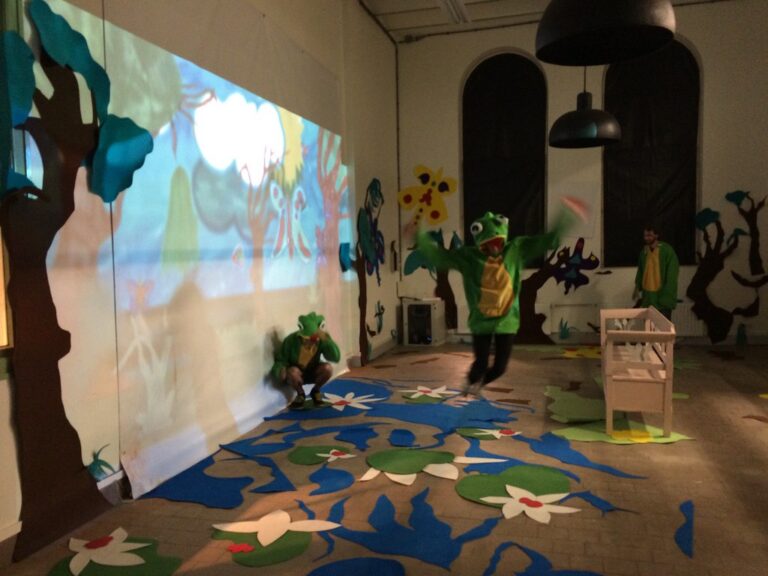
Playing at being a frog

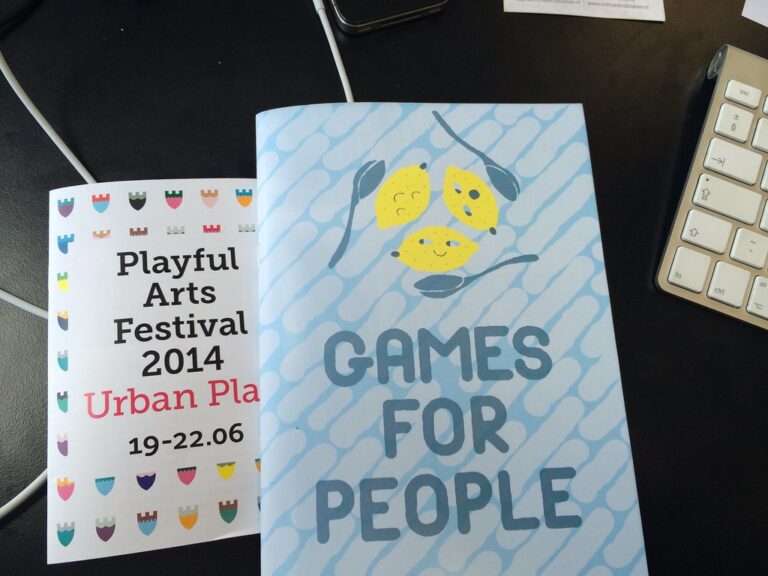
The week end­ed with me attend­ing the birth­day of Wig­wam and the house warm­ing of Eye­Em here in Berlin and with Kars going to Den Bosch to meet friends and play games at the Play­ful Arts Fes­ti­val.

Games for People by Pat Ashe and George Buckenham

Logis­ti­cal­ly I will be in Barcelona lat­er this week and Kars will be in Berlin lat­er this month.

Posted in Weeknotes | Tagged , , , , , , , , , , , | Comments closed

Week 251

We kicked off this week on Tues­day fol­low­ing the extra-long Pen­te­cost week­end with a review of the work that lead up to Stand­ing’s launch at Media­mat­ic. After tak­ing stock of the way it was received, we strate­gised a bit and set­tled on a direc­tion for the next few iter­a­tions. We drew up a list of things to work on for the next sprint, and decid­ed to low­er the pace a bit; two-week iter­a­tions in stead of one.

Standing course at Take a Stand

On Fri­day we had anoth­er ses­sion specif­i­cal­ly look­ing at a new visu­al design Simon has come up with for the app. This will be a huge improve­ment over the cur­rent “place­hold­er” design and I can’t wait to start imple­ment­ing it in Xcode.

Anoth­er thing which took up con­sid­er­able amounts of my atten­tion this week was a lec­ture for the region­al divi­sion of the “Beter Benut­ten” plat­form, which works to improve mobil­i­ty nation-wide. Their focus has shift­ed from improv­ing infra­struc­ture to “behav­iour change” so I head­ed over to share our approach to this, going over such things as the COM‑B sys­tem, Sebas­tian’s MAO mod­el, strate­gic design and lots of exam­ples of inno­v­a­tive projects in the mobil­i­ty space.

We closed off the week with a hang­out with Sub­alekha to go over the results from mine and Alper’s playtests of KEGANI. The direc­tion this is head­ed looks promis­ing so we’ve com­mit­ted to doing anoth­er iter­a­tion of the rules and playtest­ing again, which should hap­pen over the course of the next two weeks.

In between we had a num­ber of meet­ings con­nect­ed to pos­si­ble new projects and also sent out a cou­ple of pro­pos­als. The amount of inter­est we’re get­ting from all sorts of fields is very heart­en­ing. It’s one of those phas­es in the stu­dio’s life cycle where there is a ton of poten­tial new stuff up in the air and we are wait­ing for some­thing to coa­lesce into defin­i­tive­ness.

Posted in Weeknotes | Tagged , , , , , , , , , , , , | Comments closed